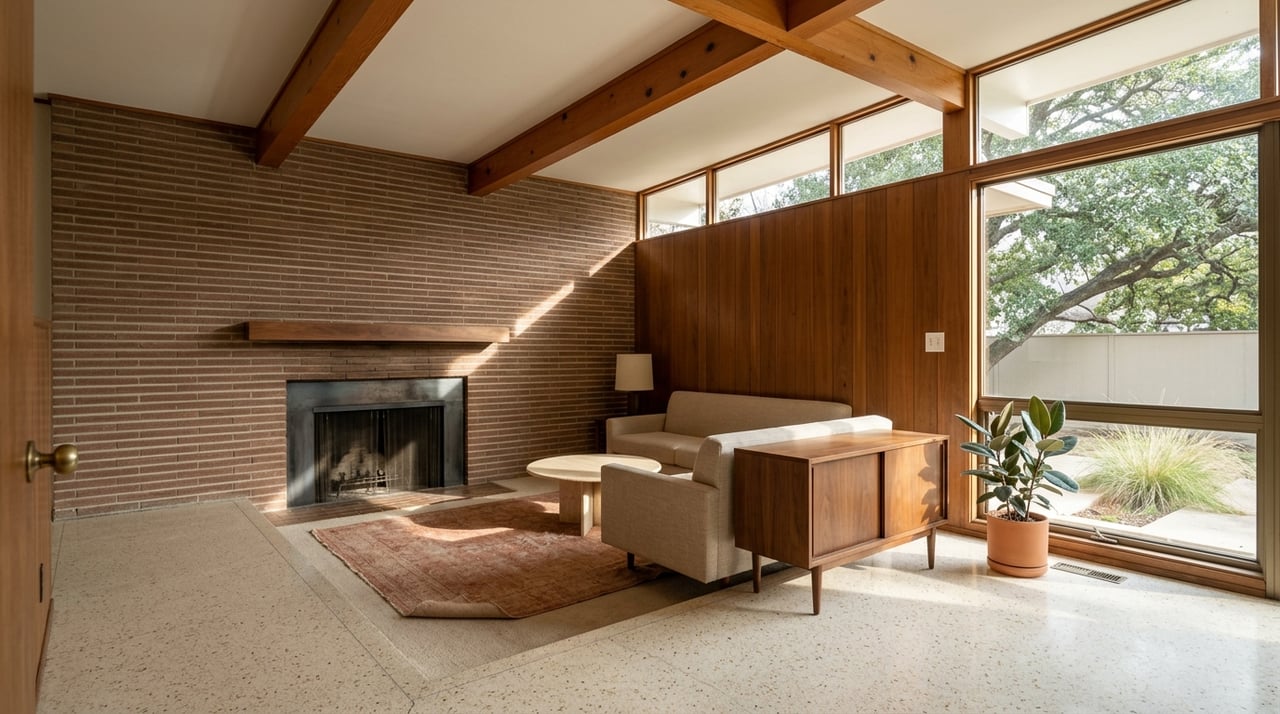
Dreaming about a Barton Hills mid-century home? You are not alone. These houses can offer character, mature trees, and the kind of indoor-outdoor feel that still appeals to buyers today, but they also come with age-related questions that are easy to miss if you focus only on style. This guide will help you look past the charm, understand what makes Barton Hills mid-century homes distinct, and spot the practical issues that matter before you write an offer. Let’s dive in.
Why Barton Hills Stands Out
Barton Hills has strong roots in Austin’s postwar growth. According to the Barton Hills neighborhood association, the area was featured in Austin’s 1956 Parade of Homes and was platted beginning that year in six sections.
That timing matters if you are shopping for a mid-century home. In Barton Hills, the original housing stock is closely tied to mid-century design rather than later tract-home patterns, which gives many homes a different feel from newer construction.
The neighborhood is not one single architectural package, though. You are more likely to see a mix of mid-century ranch and contemporary influences, including a small group of early A.D. Stenger contemporary homes known for gently sloping roofs, clerestory windows, and strong indoor-outdoor connections.
What Mid-Century Homes Here Often Look Like
Common Barton Hills Floor Plans
Many 1950s ranch homes were designed as one-story houses with long, shallow layouts, low-pitched roofs, and deep eaves. The National Park Service describes common plans as rectangular, L-shaped, U-shaped, or splayed, with living spaces separated from bedroom areas.
In practical terms, that can mean a Barton Hills home feels easy to live in day to day. You may find open living and dining areas, a direct entry into the living room, and bedrooms grouped away from the main gathering spaces.
You may also notice that the outdoor areas feel like part of the plan, not an afterthought. Rear patios, decks, and sliding glass doors often help extend the living space into the yard and tree canopy.
Visual Features Worth Noticing
If you love mid-century design, certain details are part of the appeal. Large picture windows, window walls, sliding glass doors, built-ins, and natural materials often define the look.
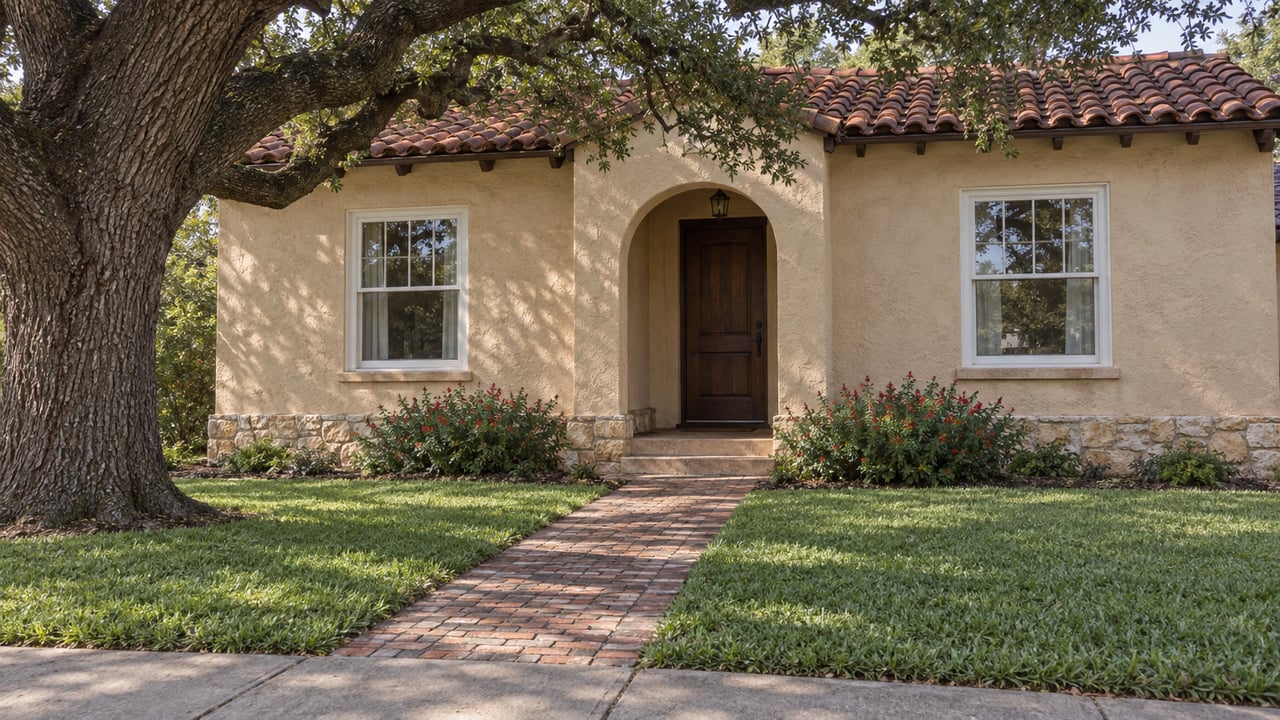
Exterior finishes may be simple and clean, such as brick, stucco, or clapboard. Inside, you may see an eat-in kitchen or informal dining area instead of a separate formal dining room, which was common in homes from this era.
In Barton Hills, some early contemporary homes add another layer of personality. Clerestory windows, sheltered rooflines, and decks that connect the house to the surrounding trees can be part of the home’s original design identity.
Look Beyond the Surface Remodel
A stylish kitchen can catch your eye fast, but older homes need a deeper review. If you are buying a mid-century home in Barton Hills, it is smart to ask how the house performs, not just how it photographs.
The U.S. Department of Energy recommends a home energy assessment to identify insulation gaps and air leaks. It also notes that air sealing, insulation, moisture control, and ventilation all work together as part of a whole-house system.
That means your questions should go beyond cosmetic updates. Ask whether insulation, HVAC, ductwork, windows, and moisture control have been updated, because a polished remodel can still hide costly comfort and efficiency issues behind the walls.
Key Inspection Issues Before You Offer
Insulation, HVAC, and Moisture
Older Barton Hills homes may have less insulation than newer properties. If the house has been updated over time, find out what was actually improved and whether the work addressed energy performance in a meaningful way.
It is also wise to ask how old the HVAC system is and whether ductwork has been replaced or improved. If a home feels great during a quick showing, that does not always tell you how evenly it heats and cools through an Austin summer.
Moisture control matters too. Since insulation, ventilation, and air sealing affect one another, a buyer should think of these systems as connected rather than separate line items.
Lead Paint and Asbestos Risks
For homes built before 1978, lead-based paint may be present. The EPA says buyers of most pre-1978 homes have the right to receive lead disclosure information before signing a contract, along with a 10-day period to conduct an inspection or risk assessment.
If you are planning updates, this becomes even more important. The EPA recommends using lead-safe contractors for renovation, repair, or painting work that disturbs painted surfaces in these homes.
Asbestos is another issue to approach carefully. The EPA says asbestos cannot be identified by sight alone, so if materials like older floor tile, ceiling tile, or pipe wrap may be disturbed during renovation, they should be sampled by a trained and accredited asbestos professional first.
Trees, Lots, and Drainage
Barton Hills buyers often love the mature trees and varied lots, but those same features can affect future plans. In Austin, a permit is required to remove or impact regulated trees on residential property, including major pruning or disturbance in the critical root zone, and trees 19 inches in diameter or larger are regulated.
This can directly shape what you can do with additions, patios, trenching, grading, and other site work. If you already have renovation ideas, tree constraints should be part of your early due diligence.
Drainage also deserves close attention. Austin notes that the city lies in Flash Flood Alley and that about 10% of the city is in the floodplain, so it is important to verify drainage patterns, floodplain status, and flood insurance considerations early, especially on lower-lying sites or lots near Barton Creek.
Permits Matter More Than You Think
If a home has been remodeled, added onto, or had major system work done, permit history matters. The City of Austin states that its permit process helps homeowners comply with city and building codes for building, demolition, remodeling, and construction work.
Austin also follows the 2024 International Building Codes and 2024 International Energy Conservation Code. That is useful context if you are trying to understand whether prior work was completed to current standards or whether future upgrades may trigger additional review.
Some smaller projects may qualify for express permits, but that does not apply to every update. In Austin, some minor kitchen and bath remodels may qualify only when walls are not moved and plumbing fixtures are not relocated, while larger layout changes usually require fuller review.
How to Budget Smartly
When you buy a mid-century home, it is easy to spend too much on finishes too soon. A more practical order is to focus first on items that affect safety, code compliance, and overall performance.
A smart budgeting sequence is:
- Safety and code issues
- Envelope and energy upgrades
- Mechanical systems
- Cosmetic finishes
That order lines up with DOE guidance that supports energy assessments, insulation and air sealing work, and then properly sized heating equipment. In simple terms, it usually makes more sense to improve how the house works before spending heavily on surface-level design updates.
Where Cosmetic Updates Can Pay Off
For many design-minded buyers, cosmetic dollars still matter. In a Barton Hills mid-century home, updates to paint, flooring, fixtures, cabinetry fronts, counters, and bath tile can go a long way without changing the home’s basic character.
It is often worth preserving the features that give the house its identity. Rooflines, window rhythm, indoor-outdoor connections, and the original plan geometry are often the elements that make a mid-century home feel special in the first place.
Offer-Stage Questions to Ask
Before you move forward, use a checklist that helps you balance design excitement with real-world due diligence.
- Ask for permit history on past remodels, additions, electrical work, plumbing, and HVAC updates.
- Confirm whether the home was built before 1978 and whether lead disclosure documents are available.
- Ask whether any suspect materials were tested for asbestos before prior renovations.
- Verify whether mature trees or root zones could limit future improvements.
- Check whether drainage or floodplain status could affect future work, insurance, or repair timing.
- Ask whether an energy audit or insulation assessment has already been completed.
The Best Approach to a Barton Hills Mid-Century Home
The best Barton Hills purchases usually balance appreciation for design with a clear plan for maintenance and upgrades. You do not need a perfect house on day one, but you do want to understand what you are buying and what it may cost to modernize over time.
In many cases, the strongest long-term strategy is to preserve the defining mid-century features that make the home unique while improving the systems behind the walls. That approach can help you enjoy the style you wanted without losing sight of comfort, efficiency, and future project realities.
If you are thinking about buying a mid-century home in Barton Hills, working with a local advisor can help you sort through floor plans, lot constraints, permit questions, and renovation potential with more clarity. To talk through your goals and next steps, connect with David Aceves.
FAQs
What makes Barton Hills mid-century homes different from newer homes?
- Barton Hills homes from the neighborhood’s original postwar development often reflect mid-century ranch and contemporary design, with features like low rooflines, larger windows, and stronger indoor-outdoor connections.
What should you inspect first in a Barton Hills mid-century home?
- Start with insulation, HVAC, ductwork, moisture control, windows, and permit history so you understand how the home performs before focusing on cosmetic finishes.
What should buyers know about lead paint in older Barton Hills homes?
- If the home was built before 1978, lead-based paint may be present, and buyers of most pre-1978 homes have the right to receive lead disclosure information and a 10-day inspection or risk-assessment period.
What should buyers know about asbestos in mid-century homes?
- Asbestos cannot be identified just by looking, so if renovation may disturb older materials like tile or pipe wrap, those materials should be sampled by a trained and accredited asbestos professional first.
How do Austin tree rules affect Barton Hills home renovations?
- Austin regulates certain trees on residential property, so mature trees and root zones can affect additions, patios, trenching, grading, and other improvement plans.
Why does drainage matter when buying a Barton Hills home?
- Because Austin is in Flash Flood Alley and some properties may be affected by floodplain conditions, buyers should verify drainage, floodplain status, and related insurance considerations early in the process.