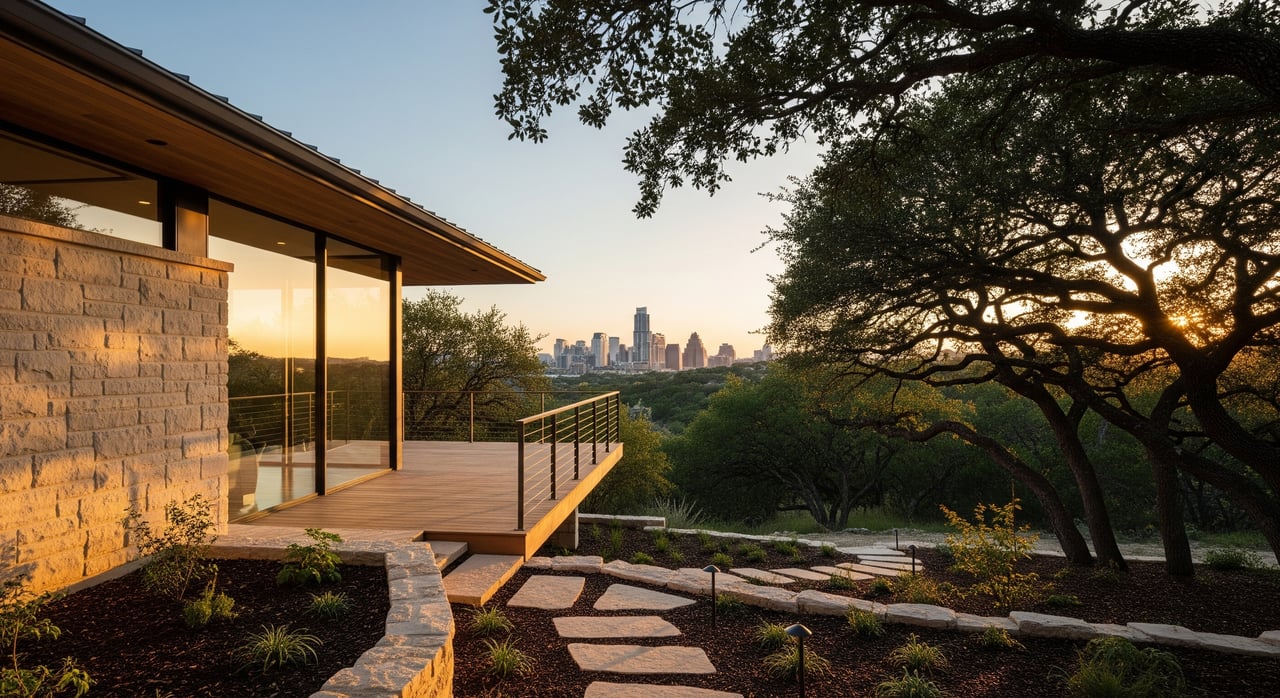
Thinking about making Barton Hills your home base in Austin? If you love daily access to trails and parks, quick trips to South Lamar restaurants, and short commutes to downtown, this neighborhood deserves a close look. You want a place that blends outdoor living with city convenience, and that is exactly what Barton Hills offers. In this guide, you will learn about parks and trail access, commute times, the South Lamar dining scene, and what to expect from local housing. Let’s dive in.
Where Barton Hills fits in Austin
Barton Hills sits in central-south Austin between Barton Creek and Zilker Park and the South Lamar corridor. It is compact, neighborly, and known for easy access to the Barton Creek Greenbelt and Zilker Park. From many blocks, you can bike to downtown, stroll to a coffee shop, or be on a trail in minutes.
The neighborhood includes a mix of quiet residential streets and nearby commercial pockets. You get a strong community feel with city amenities close by. On weekends, many residents head to the Greenbelt or Barton Springs, then pick up dinner along South Lamar.
Daily outdoor access
Barton Creek Greenbelt at your door
The Barton Creek Greenbelt is a roughly 7 to 8 mile natural corridor with rocky, shaded trails and creek access. It runs west from near Zilker into hills and ravines. Multiple trailheads are just minutes from most of Barton Hills, so you can fit in a quick trail run, hike, or mountain bike session before or after work.
- Trails can be uneven, so trail shoes help.
- Water flow and swimming holes change with the season.
- Sections may close after heavy rains to protect the trails.
For current conditions and maps, check the City of Austin’s official page for the Barton Creek Greenbelt.
Zilker Park and Barton Springs
Zilker Park borders the neighborhood and offers open fields, picnic areas, and access to the city’s core trail network. Inside the park, Barton Springs Pool is a year-round favorite for laps, meetups, and a refreshing swim on hot days. You can read more on the City’s pages for Zilker Metropolitan Park and Barton Springs Pool.
Zilker also hosts major events, including the Austin City Limits Music Festival. On event days, expect heavier traffic, limited parking, and street restrictions in adjacent areas. Many residents plan around these weekends and use bikes or rideshares for easier access.
Getting around: commutes and transit
Downtown and UT
If you work downtown, your commute is one of the biggest Barton Hills perks. The central business district is roughly 1 to 3 miles away. Typical drive times are 5 to 15 minutes off-peak and 10 to 20 minutes or more during rush hour. Many residents bike downtown in about 10 to 20 minutes depending on route and rider.
The University of Texas at Austin is a similar story. Expect about 10 to 15 minutes by car most days and roughly 15 to 25 minutes by bike. For planning safe routes, the City’s Active Transportation program offers bike maps and updates.
North Austin tech hubs and the airport
If you commute north to major employers, plan for wider drive-time ranges. Reaching North Austin tech campuses can take roughly 25 to 50 minutes or more, depending on destination and traffic. Austin-Bergstrom International Airport is typically a 15 to 25 minute drive.
Transit and micromobility
Capital Metro serves South Lamar with multiple bus routes into downtown. Schedules and frequencies change over time, so check Capital Metro schedules before your commute. Riders often mix modes by biking or walking to a transit stop.
Micromobility options, like scooters and bike-share, vary by season and operator. Many residents rely on a combination of car, bike, and bus, with biking a realistic option for daily trips into the core.
South Lamar dining and everyday essentials
South Lamar Boulevard, known as SoLa, runs along the edge of Barton Hills and packs in a wide mix of spots. You will find casual tacos and burgers, coffee shops, bakeries, gastropubs, and chef-driven restaurants. Basic services, including grocers, fitness studios, and salons, are within a short drive or a reasonable walk from many blocks.
Evenings and weekends are lively. Popular spots draw visitors from across the city, which means busier traffic and limited street parking at peak times. Turnover is common in Austin, so new openings are frequent. Many locals rotate between walkable favorites and a quick drive up or down the corridor.
Housing types and price ranges
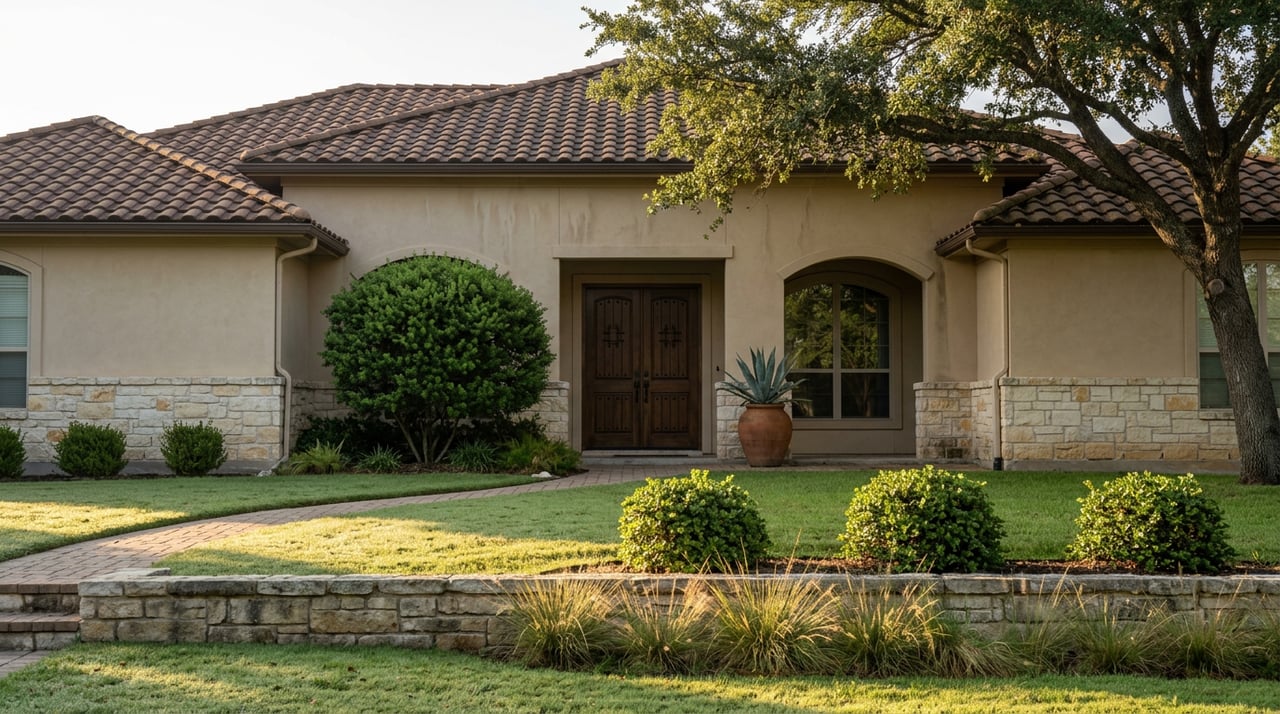
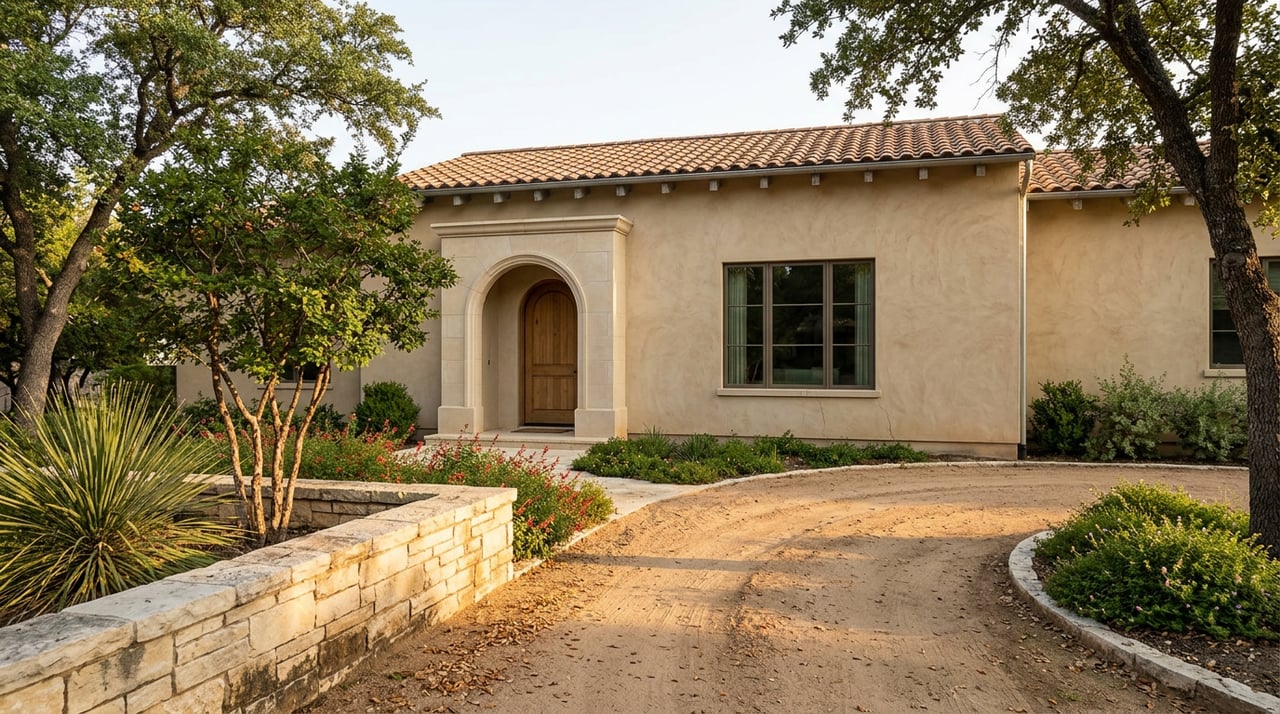
Barton Hills offers a broad mix of homes and building styles. You will see mid-century ranch homes from the 1950s through the 1970s, renovated single-family homes, and modern infill on tear-down lots. Along the busier corridors, there are small apartment buildings, duplexes, condos, and townhomes. Accessory Dwelling Units are increasingly common as homeowners add flexible space or rental options.
Lot sizes are moderate, which helps explain the steady stream of infill and larger rebuilds. Zoning in the interior streets skews to single-family, with multi-family pockets near the main corridors. If you plan to renovate, budget for potential system updates in older homes, such as HVAC, plumbing, or electrical.
Prices move with the broader Austin market, so think in ranges. Recent trends show many single-family sales clustering from the upper 600s to 1.2 million and above, depending on lot size and finish level. Condos and townhomes often offer lower entry points, commonly around the 300 thousand to 700 thousand range based on size, finishes, and proximity to the core. For the most accurate, current numbers, tap official sources like the Austin Board of REALTORS market reports and verify individual properties through the Travis County Appraisal District.
Parking and special events
Barton Hills sits next to one of Austin’s busiest park zones. During large Zilker events, plan for heavier neighborhood traffic, temporary street restrictions, and limited parking. Many residents adopt easy workarounds, like biking to the park, using rideshare pickup zones, or running errands outside peak event windows. On non-event days, parking within the neighborhood is a mix of unrestricted and controlled blocks. Always check posted City of Austin signs for rules or permit requirements on specific streets.
Is Barton Hills a fit for your lifestyle?
Choose Barton Hills if you want daily outdoor time without sacrificing city access. You can reach the Greenbelt and Barton Springs quickly, roll down South Lamar for coffee or dinner, and keep commute times to downtown and UT manageable. If you are looking at remodel-friendly homes or modern infill, the neighborhood offers both options. Just be prepared for competition on well-located listings and plan your budget with renovations in mind.
If Barton Hills sounds like your kind of Austin, let’s talk about timing, budget, and how to position your offer. We can also set up a custom tour that mixes trailheads, coffee stops, and homes that match your wish list. Reach out to David Aceves to get started.
FAQs
How close is Greenbelt access for Barton Hills residents?
- Multiple trailheads are minutes away by foot or a short drive, with rocky trails and seasonal creek flow along the 7 to 8 mile corridor.
What are typical Barton Hills commute times to downtown Austin?
- Expect about 5 to 15 minutes by car off-peak, 10 to 20 minutes or more in rush hour, and roughly 10 to 20 minutes by bike depending on route.
How practical is public transit from Barton Hills to the core?
- Capital Metro buses serve South Lamar with routes into downtown, and many riders combine walking or biking with transit for door-to-door convenience.
What types of homes are common in Barton Hills?
- You will find mid-century ranch homes, renovated and rebuilt single-family properties, plus condos, townhomes, duplexes, and small apartments along main corridors.
What price ranges should I expect in Barton Hills?
- Recent trends show many single-family sales from the upper 600s to 1.2 million and above, with condos and townhomes commonly around 300 thousand to 700 thousand.
Do Zilker Park events affect neighborhood parking and access?
- Yes, large events bring heavy traffic, scarce parking, and street restrictions, so residents often plan trips around event weekends or use bikes and rideshares.
Where can I verify up-to-date prices and property details?
- Check the Austin Board of REALTORS market data and review property records through the Travis County Appraisal District.