Walk into an open house in Travis Heights and you will likely hear it within the first two minutes: this home sits inside a National Register Historic District. The designation can sound like a warranty. Old bones, protected streetscape, a neighborhood that will look the same in twenty years as it does today. Most buyers nod and file it away as a point in the home's favor, the same way they'd note a good school district or a short commute.
That warranty does not exist. According to the Travis Heights-Fairview Park Historic District's preservation group, under federal law, a National Register listing places no restriction on what a private owner can do with a contributing building, up to and including tearing it down. The designation documents that a house matters historically. It does not stop the owner from demolishing it. According to the Travis Heights-Fairview Park Historic District's preservation group, local historic district designation provides protection against demolition. Travis Heights has exactly one local historic district, covering a small pocket of streets known as the Mary Street Local Historic District.
What the label actually covers
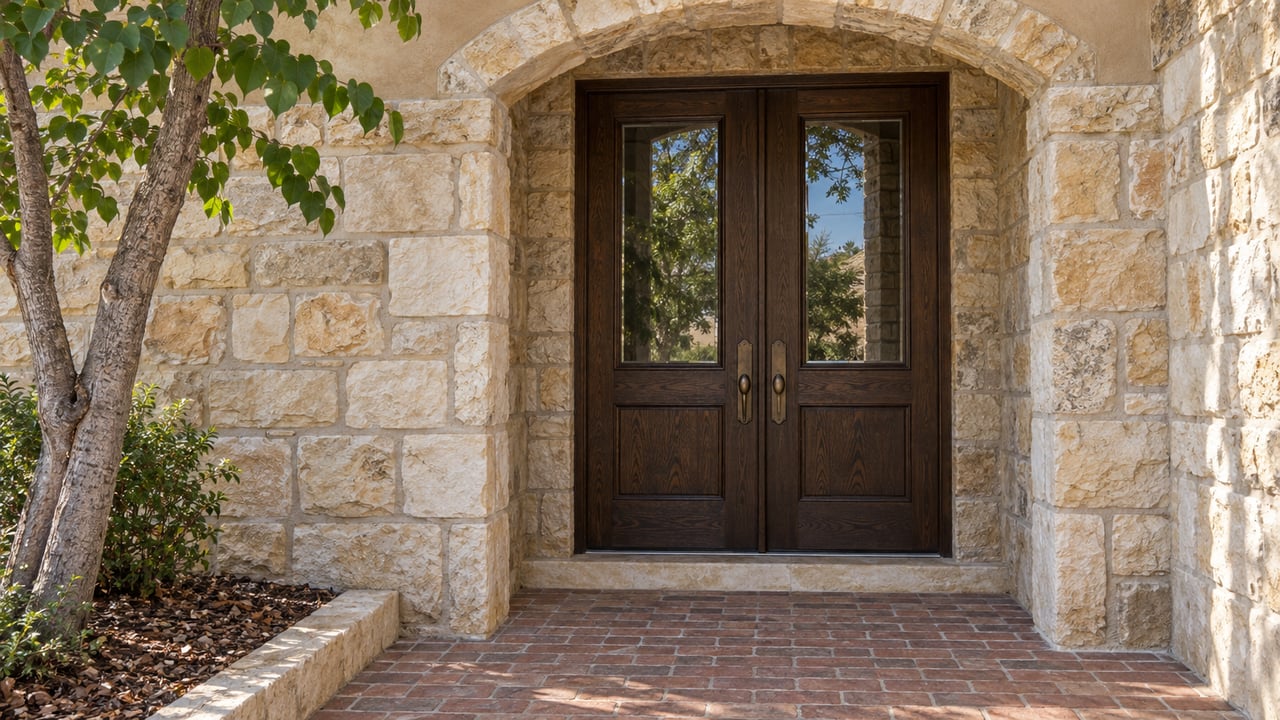
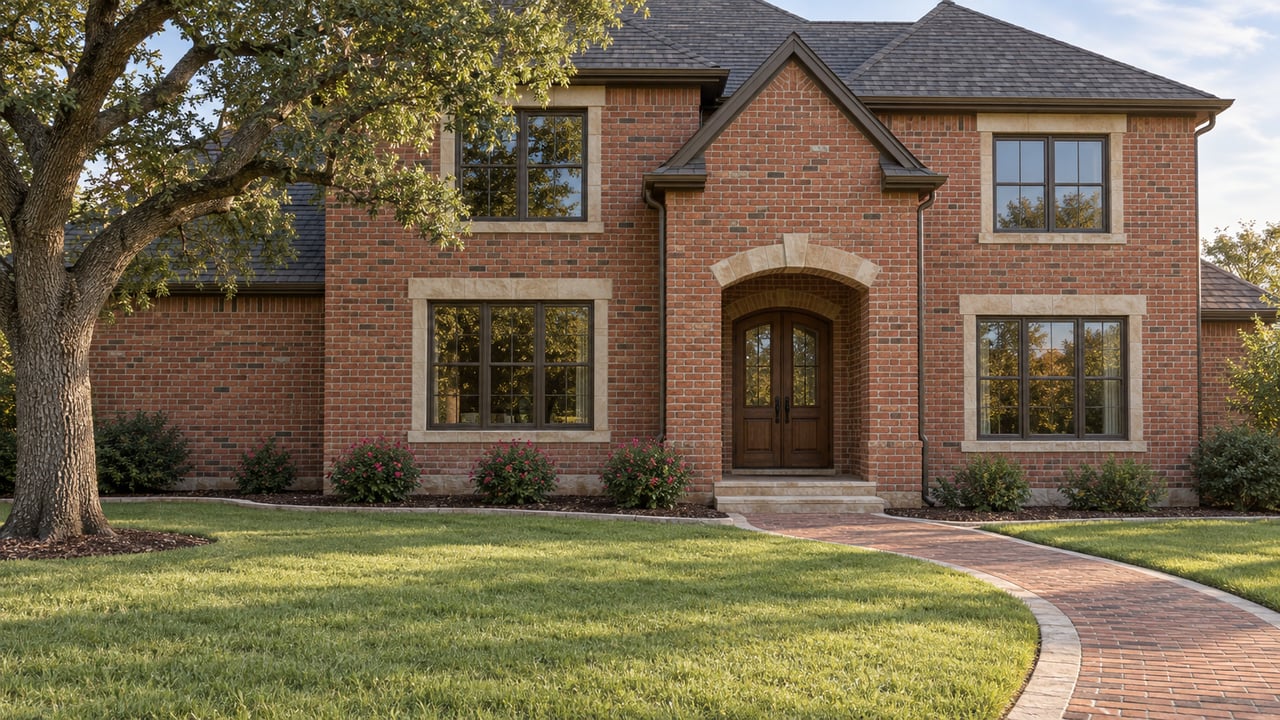
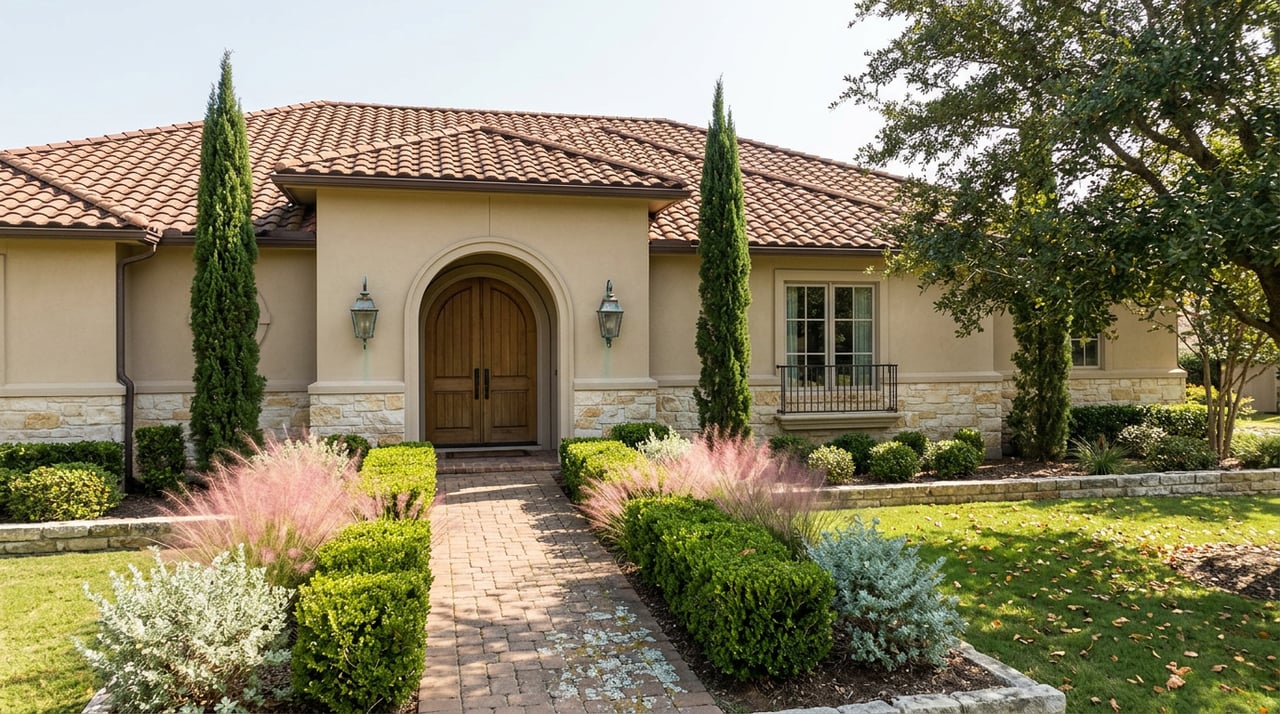
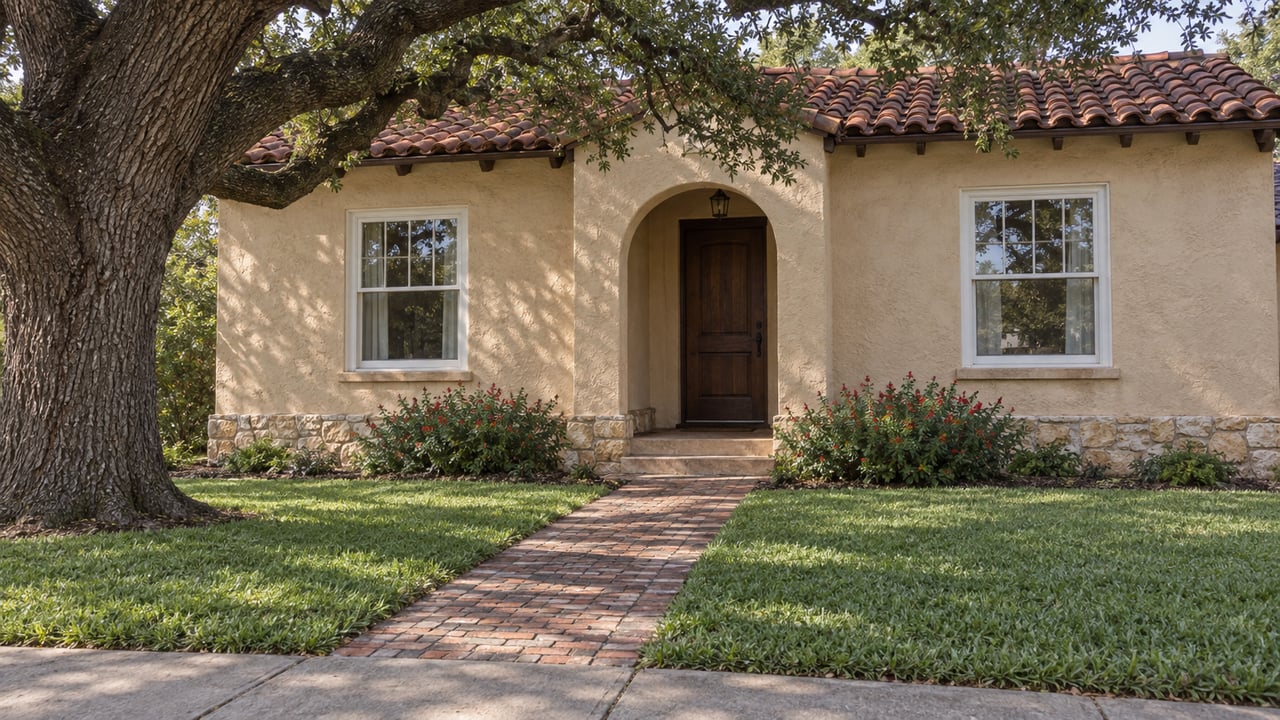
Travis Heights-Fairview Park earned its spot on the National Register in 2021, after a nomination process that stretched back to 2004. The Texas Historical Commission's State Board of Review approved the 353-acre district unanimously, and the listing became official on July 30 of that year. It recognizes a rare mix of architecture: Victorians from the 1880s, Craftsman bungalows from the streetcar era, Tudor and Spanish Revival homes, mid-century moderns, all sitting within walking distance of Lady Bird Lake.
What the listing does not do is trigger city design review for private work. The Travis Heights-Fairview Park Historic District's own preservation group makes this distinction directly: National Register recognition restricts nothing for an owner acting without federal funding or federal permits, which covers the overwhelming majority of single-family remodels and teardowns. A local historic district is a different mechanism entirely. It requires a Certificate of Appropriateness from the city's Historic Landmark Commission before exterior work, additions, or demolition on a contributing structure, and establishing that designation also involves requirements. Travis Heights has pursued that path once, for Mary Street. The rest of the National Register area, meaning most of the neighborhood, has recognition that does not by itself require local design review.
The 2023 case that made the gap visible
As the Austin Monitor reported, the clearest illustration came two years after the National Register listing, when an application landed on the Historic Landmark Commission's desk to demolish a 1.5-story Craftsman bungalow built in 1920 at 1804 Brackenridge Street. Neighbors objected. A University of Texas architecture professor testified against the replacement design. A commissioner who had authored the original National Register nomination argued for denial. The commission still voted 7-3 to release the demolition hold.
One resident who spoke that night put the stakes plainly:
"One demolition begets another."
The commission member who cast the deciding vote framed the block as a bellwether, calling it a gateway location where the pull toward larger, more contemporary construction was starting to reshape the district from the edges in.
Demolition applications in 2026
The May 2026 Historic Landmark Commission agenda listed a demolition application for a contributing building inside the Travis Heights-Fairview Park district: a home at 507 Park Boulevard dating to around 1922.
By the commission's August 5 meeting, three more addresses were working through the same process, all flagged as contributing buildings proposed for demolition and postponed at the July 1 hearing for further review:
- 1109 Travis Heights Boulevard
- 2009 Travis Heights Boulevard
- 706 East Monroe Street
None of these are hypothetical filings sitting in a drawer. Each is a live case moving through the same commission that reviewed Brackenridge Street, working under the same rule: National Register status means the application gets a hearing, not that the hearing has to end in denial.
What this means when you're comparing neighborhoods
If part of what draws you to Travis Heights is the idea of a fixed, historic streetscape, the National Register label is not the fact to lean on. The actual protection lives at the address level, through the small Mary Street local historic district. A buyer comparing a bungalow here against a similarly priced home in a neighborhood with a local historic district, such as Hyde Park or Castle Hill, is not necessarily comparing two versions of the same protection. Local historic district designation requires design review. National Register recognition alone does not prevent a review process from approving teardowns.
That doesn't make Travis Heights a bad buy. It makes it a neighborhood in transition, where 1920s bungalows sit next to new construction, and where the mix you see on a given block today is not guaranteed to hold. For a buyer who wants exactly that variety, that's the appeal. For a buyer who wants certainty that the house next door will look the way it looks now in ten years, the neighborhood-wide label won't deliver it. The block-by-block designation status will tell you far more than the "National Register" line in the listing remarks.
If you're planning to renovate rather than replace, the same distinction matters for your own project. Exterior work on a contributing structure in a local historic district requires a Certificate of Appropriateness before it proceeds. Outside Mary Street, most Travis Heights properties move through standard city permitting for exterior work, the same as any other Austin home.
A few questions worth asking before you write an offer
Does National Register status block a demolition permit? No. The Historic Landmark Commission still reviews the application and can attach conditions or require documentation. It approved a contested demolition of a contributing building in 2023, while multiple applications are moving through the process in 2026.
If my home is marked "contributing," is it protected from teardown? "Contributing" is a documentation term describing a building's role in the district's historic character. It carries no independent legal protection against demolition unless the property also sits within a local historic district.
How do I find out if a specific address is inside the Mary Street Local Historic District or carries landmark status? The City of Austin's Historic Preservation Office can confirm designation status for any address, and Historic Landmark Commission case records show the review history for a given property before you write an offer or budget a renovation.
Buying or renovating in a neighborhood with this kind of layered designation is exactly where a second set of eyes earns its keep. If you're weighing a Travis Heights bungalow against something in a fully protected district, or you're trying to figure out what a specific address actually allows before you fall in love with a floor plan, Ace Team ATX can walk the designation history with you before you're locked into a contract.
This article is general information, not legal, tax or financial advice. Consult a qualified professional about your situation.