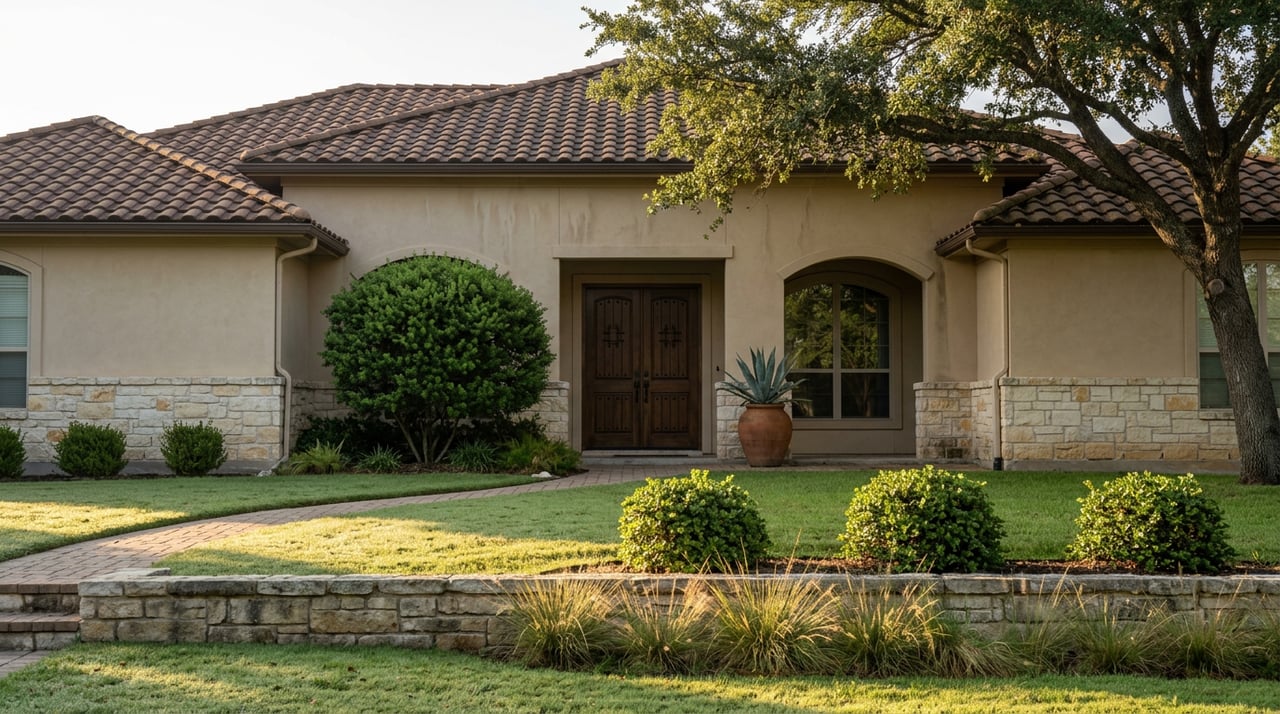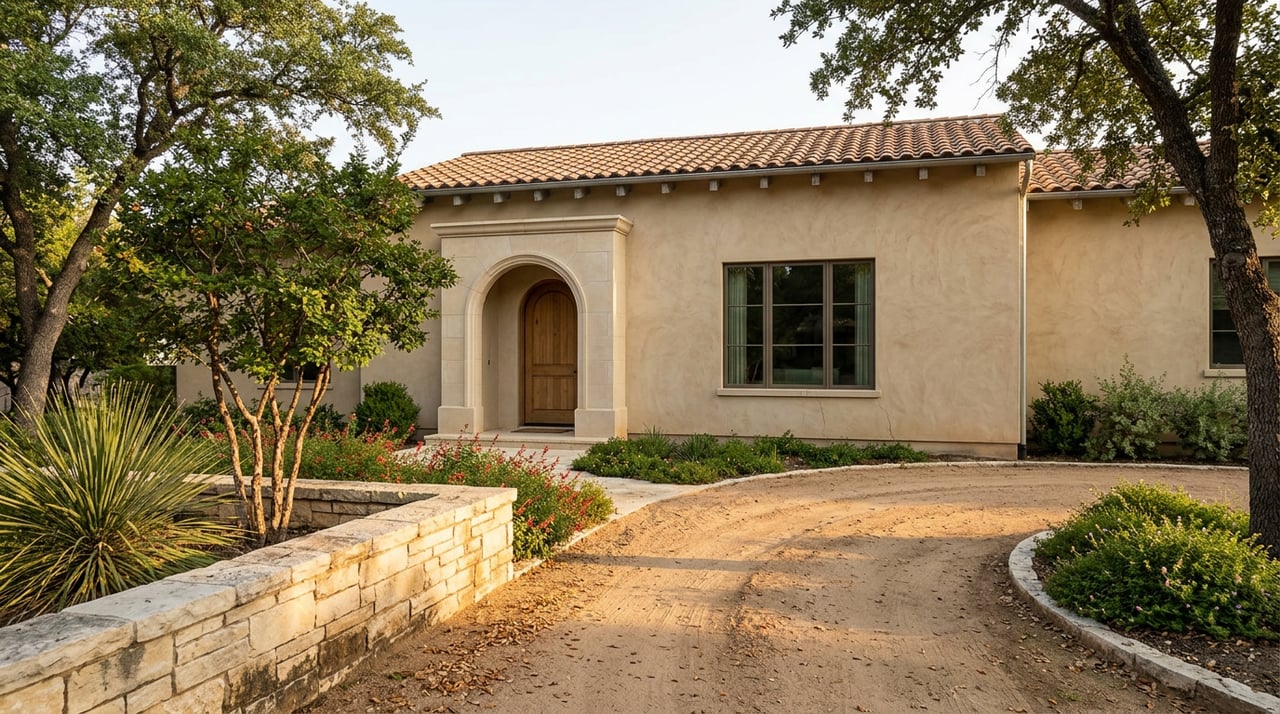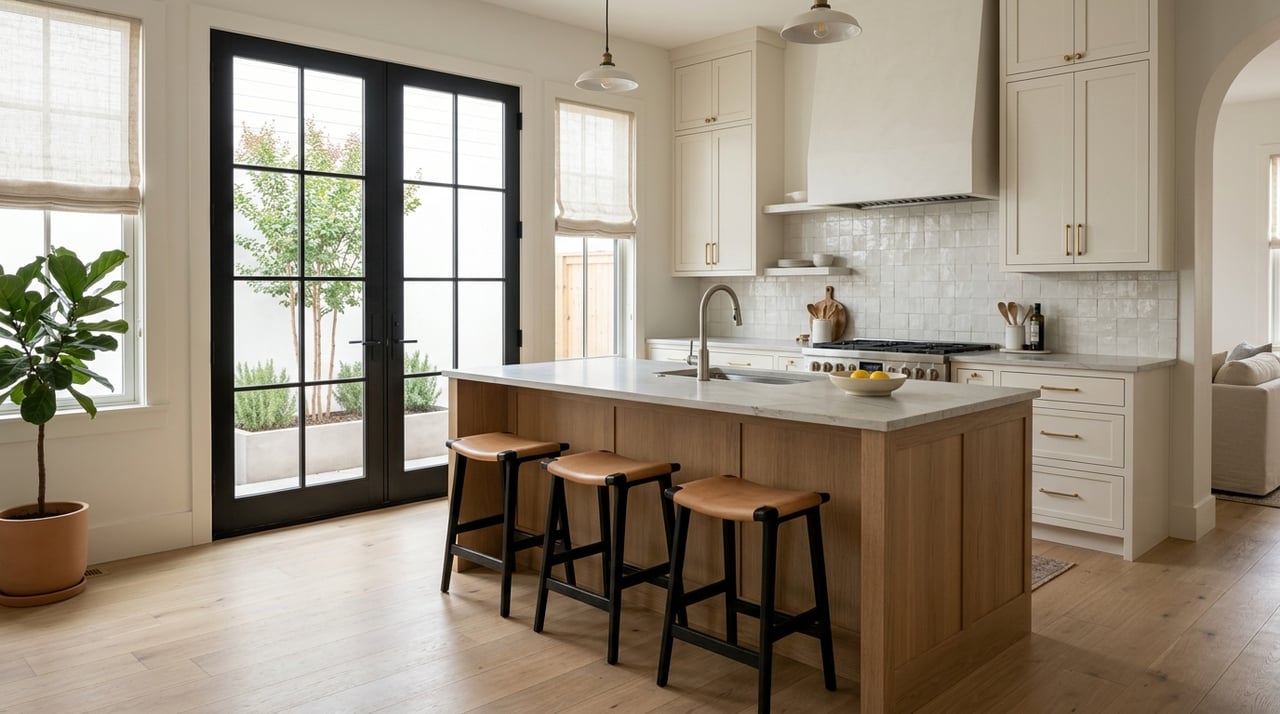
Thinking about buying new construction in Mueller? You are not alone, and you are also smart to look closely at the process before jumping in. New homes in Mueller can offer modern layouts, lower-maintenance living, and a chance to buy in one of Austin’s best-known master-planned communities, but the path is often different from a typical resale purchase. In this guide, you’ll learn how buying new construction in Mueller works, what timelines to expect, and where careful planning can save you stress. Let’s dive in.
Why Mueller new construction feels different
Mueller is a 700-acre mixed-use redevelopment about three miles from downtown Austin, and the community is expected to have nearly 7,000 residences at completion. It is designed as a pedestrian-friendly, transit-oriented urban village with parks, trails, and on-site retail. That mix of location, lifestyle, and housing types is a big reason buyers keep Mueller on their shortlist.
What makes the buying process different is that new construction opportunities in Mueller are limited and often released in phases. Current builder activity points to small-batch inventory rather than a steady stream of available homes. If you are hoping to buy here, it helps to be ready before the right home hits the market.
What you can buy in Mueller
Mueller does not offer just one kind of new home. The neighborhood’s housing mix includes detached yard homes, row homes, garden homes, Mueller Houses, shop homes, cottage homes, condos, and apartments. That variety gives you more ways to match your budget, timeline, and preferred layout.
As of the current official for-sale information, active homebuilders include ICON, Austin Modern Lofts by InTown Homes, and The Muskin Company. Some builders show move-in-ready homes, while others offer pre-construction opportunities or homes in early phases. That means your buying steps can vary depending on the product you choose.
Start with the right product type
Before you tour anything, narrow down what kind of purchase you want to make. In Mueller, buyers may be choosing between completed homes, homes that are close to completion, and homes that have not started or are still early in construction. Each option comes with a different timeline and level of flexibility.
If you want the fastest path, a completed or move-in-ready home may be the best fit. If you want some say in interior finishes, a pre-construction home may offer that opportunity, but only if you get under contract early enough. In Mueller, that customization window can be limited.
Move-in-ready homes
Some Mueller listings are available now or close to closing. These homes can make the process feel more like a standard purchase, with less waiting and fewer build-stage unknowns. You may still be using a builder contract, but your move timeline is usually easier to estimate.
Pre-construction homes
Pre-construction homes can give you access to new inventory before it is finished. In some cases, builders note that buyers may be able to customize interior selections. That flexibility usually depends on how early the home is in the planning or building process.
Affordable program homes
Mueller also has an affordable homes program with a different process. HomeBase Texas administers the program, and approved buyers sign a sales contract with the builder plus an affordability use agreement with the Mueller Foundation. These homes are intended for primary residence use, not investment use.
Get financing ready early
One of the most important steps in Mueller is getting your financing lined up before you fall in love with a specific home. Because inventory can move quickly, being prepared helps you act when a home becomes available. It also helps you compare builder timelines and incentives with confidence.
Some Mueller builders advertise financing incentives through preferred lenders. The affordable homes resource guide also notes that builder-affiliated lenders may offer incentives, but buyers are not required to use them. The key is to understand your options early so you can make a clean, informed decision when the time comes.
For many buyers, this step matters even more in a phased community like Mueller. If pricing can change before a contract is formally approved, your budget needs to be clear from the start. A strong financing plan helps you avoid surprises later.
Expect a builder contract in Texas
Buying new construction in Mueller usually means signing a builder-specific contract rather than using a standard resale agreement. In Texas, TREC has separate forms for new homes that are completed and new homes that are incomplete. That distinction matters because the contract terms, deadlines, and property condition details can look different from what you might expect in a resale transaction.
Mueller also adds another layer because the community has a property owners association. If the home is subject to mandatory POA membership, the applicable POA addendum is required. Buyers should understand these documents before signing, especially if deadlines, deposits, and construction timelines are involved.
Why contract review matters
Builder contracts are often less flexible than resale contracts. They may include builder timelines, approval language, and rules around changes, upgrades, or delays. In Mueller, where available homes may move from available to pending quickly, it helps to move fast without rushing through important terms.
Understand Mueller’s approval and build timeline
One of the biggest questions buyers ask is simple: how long will this take? In Mueller, the answer depends heavily on whether you are buying a finished home or one that is still being built. Some homes are available now, while others may take many months to complete.
Current Muskin pre-construction pages estimate about 10 to 12 months for one yard-home phase and 10 to 14 months for another current yard-home phase. By contrast, builders like Austin Modern Lofts, ICON, and Muskin also show current inventory that is available now, pending, or move-in ready. So your timeline could range from a relatively quick closing to close to a year or more.
Neighborhood approval and city approval
In Mueller, neighborhood approval and city approval are separate steps. The Mueller New Construction Council reviews and approves new construction within the community, independent of the city review process. The City of Austin still handles building inspections for new construction, remodels, and trades.
That means there are multiple checkpoints behind the scenes before a home is ready for occupancy. The city describes inspections as the final steps in the permitting process, and after final inspection, a Certificate of Occupancy may be issued. In some cases, a Temporary Certificate of Occupancy may allow occupancy before the final CO.
Inspections can affect the closing timeline
The City of Austin says inspections are usually performed about 24 hours after scheduling, though workload can push them to the next business day or 48 hours later. The city also notes that missing approved plans on site can lead to failed inspections and delay a TCO or CO. While that is the builder’s responsibility, it can still affect your expected move-in date.
For buyers, the takeaway is simple: build timelines are estimates, not guarantees. It is wise to keep your moving plans flexible until the home is truly close to completion.
Use the selection window carefully
If you are buying a home early enough to make interior selections, timing matters. Builders may only offer customization while the home is still in planning or early construction. Once construction moves forward, your options may narrow or disappear.
This is one of the most exciting parts of buying new construction, but it also requires quick, clear decisions. You will want to know what is included, what counts as an upgrade, and what deadlines apply to each choice. Waiting too long can mean losing the chance to personalize the home.
Plan for your own inspection
A new home is still a home under construction, and that means you should plan for your own inspection. Some builders advertise multiple quality assurance checkpoints during the build process, such as pre-pour, frame, roof, pre-drywall air sealing, final inspection, and final QA. Those steps are helpful, but they are not a substitute for an independent buyer inspection.
TREC’s consumer guidance notes that inspectors often find issues even in brand-new construction. That is why buyers should attend the inspection, ask questions, read the report carefully, and follow up on recommendations before deadlines expire. If issues come up, this is the stage where you can document concerns and work through next steps before closing.
A simple step-by-step Mueller roadmap
If you want a practical way to think about the process, here is the typical flow:
- Identify the product type that fits your goals.
- Watch current inventory and phased releases closely.
- Get pre-approved or confirm your financing plan.
- Tour available homes or schedule builder appointments.
- Review the builder contract and any POA-related documents.
- Make selections quickly if your home allows customization.
- Track build progress and key builder updates.
- Schedule your independent inspection.
- Prepare for final walkthrough, closing, and occupancy timing.
That may sound straightforward, but each step can move fast in Mueller. Having a clear plan helps you stay calm and avoid missed deadlines.
Where a local agent helps most
In Mueller, the biggest value often comes from timing, coordination, and follow-through. Inventory tends to move in small batches, and builder pages often show homes as available, pending, or sold. An agent can help you monitor opportunities, compare options, and move quickly when the right fit appears.
Representation also matters when contract details and inspections come into play. Builder pricing may change before formal approval, and pre-construction homes can come with deadlines for selections, financing, and walkthroughs. Having someone keep track of those moving parts can make the process much smoother.
For affordable program purchases, guidance becomes even more important because the process includes a buyer-pool system and a separate affordability use agreement. That is a more layered path than a typical resale or standard market-rate new build. If you are buying from out of town or balancing a move on a tight timeline, hands-on support can save you time and reduce guesswork.
Buying new construction in Mueller can be a great move if you go in prepared. The homes are varied, the inventory is often limited, and the timeline depends heavily on whether you buy a completed home or one still in the pipeline. With the right plan, you can navigate the process with more clarity, fewer surprises, and a better sense of what to expect from contract to closing.
If you are exploring new construction in Mueller and want clear, local guidance, David Aceves can help you compare options, understand the timeline, and move forward with confidence.
FAQs
What is the typical timeline for buying new construction in Mueller?
- If you buy a move-in-ready home, closing may happen much faster than a ground-up build. For some current pre-construction yard-home phases in Mueller, builder estimates run about 10 to 12 months or 10 to 14 months.
Are there different types of new construction homes in Mueller?
- Yes. Mueller’s housing mix includes detached yard homes, row homes, garden homes, Mueller Houses, shop homes, cottage homes, condos, and apartments.
Do Mueller new construction homes use standard Texas resale contracts?
- Usually no. New construction purchases typically use builder-specific contracts, and in Texas there are separate TREC forms for completed and incomplete new homes. POA documents may also apply in Mueller.
Can you customize finishes in Mueller new construction homes?
- Sometimes. Some builders note that certain pre-construction homes allow interior selections, but that opportunity usually depends on signing during the planning stage or early in the build.
Should you get an independent inspection on a Mueller new construction home?
- Yes. Even though builders may perform multiple quality-control checks, TREC guidance says those are not a substitute for your own inspector, and brand-new homes can still have issues.
How does the affordable home program work in Mueller?
- The affordable program includes extra steps. Approved buyers work through HomeBase Texas, sign a sales contract with the builder, and also sign an affordability use agreement with the Mueller Foundation for a primary-residence purchase.
Why does buying new construction in Mueller move so quickly?
- Current builder activity suggests inventory is limited and released in phases. Available homes can shift quickly between available, pending, and sold, so buyers benefit from being prepared early.