If you want a central Austin neighborhood with real character, Travis Heights tends to stand out fast. You are not just looking at a place on the map here. You are looking at a neighborhood shaped by hills, creeks, historic homes, small parks, and a culture that feels distinctly local. If you are wondering what it is actually like to live in Travis Heights, this guide will walk you through the architecture, green space, and everyday feel that define it. Let’s dive in.
Where Travis Heights Sits
Travis Heights is an inner-core South Austin neighborhood just south of Lady Bird Lake. It sits between Riverside and Live Oak, and between I-35 and Congress, placing it close to some of the city’s most recognized central areas while keeping a primarily residential feel inside the neighborhood streets.
That location matters if you want a close-in lifestyle without giving up trees, parks, and a little breathing room. You are near the South Congress corridor, but once you turn into Travis Heights, the setting shifts toward winding streets, varied lot shapes, and a more layered residential environment.
How Travis Heights Took Shape
A big part of the neighborhood’s appeal comes from how it developed over time. Fairview Park was platted in 1886 on hilly land with creeks and city views, and Travis Heights followed in 1913 after streetcar service extended south of the river.
The original layout mixed grid streets with curving roads, large and irregular lots, and residential-only deed restrictions. That early planning still helps explain why the neighborhood feels different from a more uniform subdivision. When you drive or walk here, the street pattern and home placement often feel more organic than expected for a central Austin neighborhood.
Travis Heights Architecture
A Wide Range of Home Styles
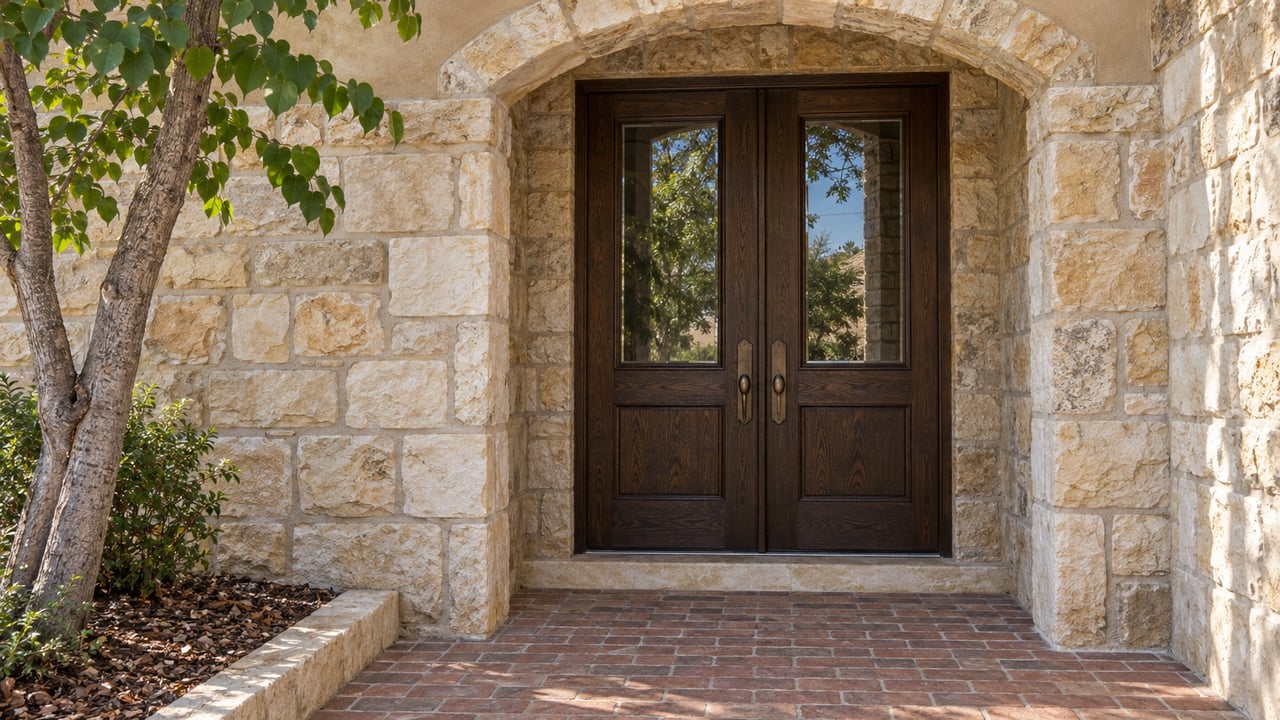
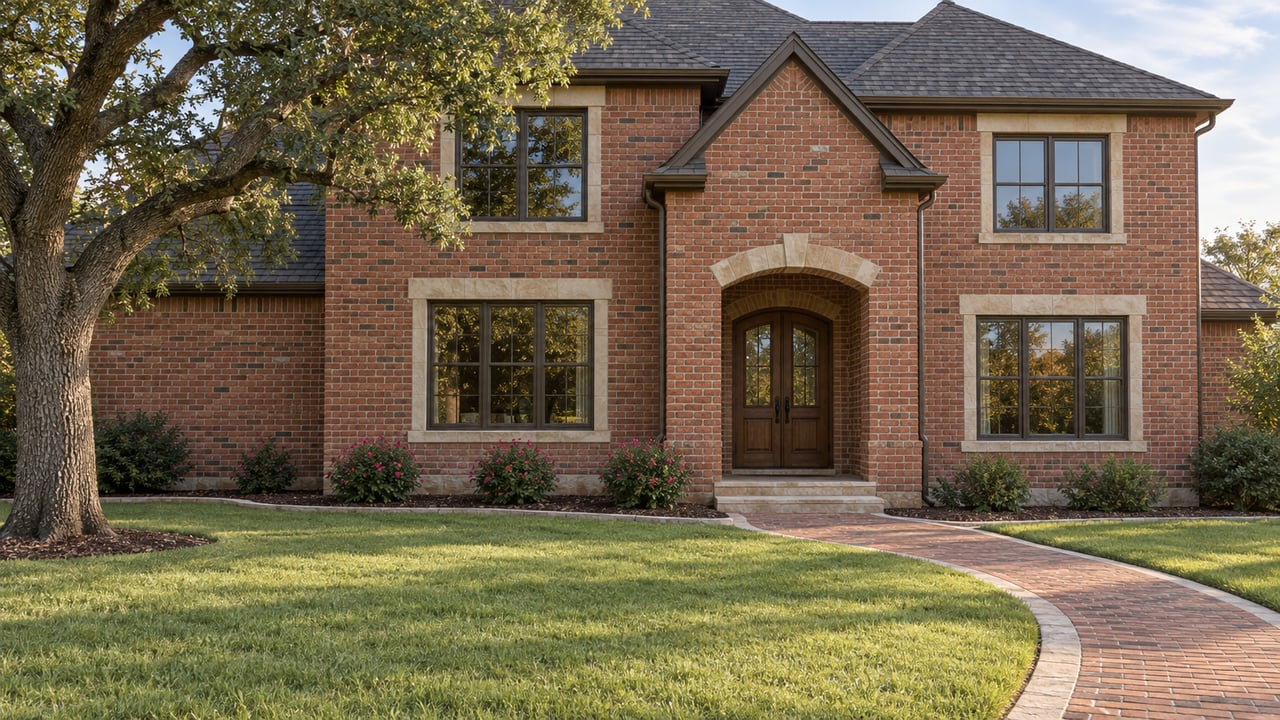
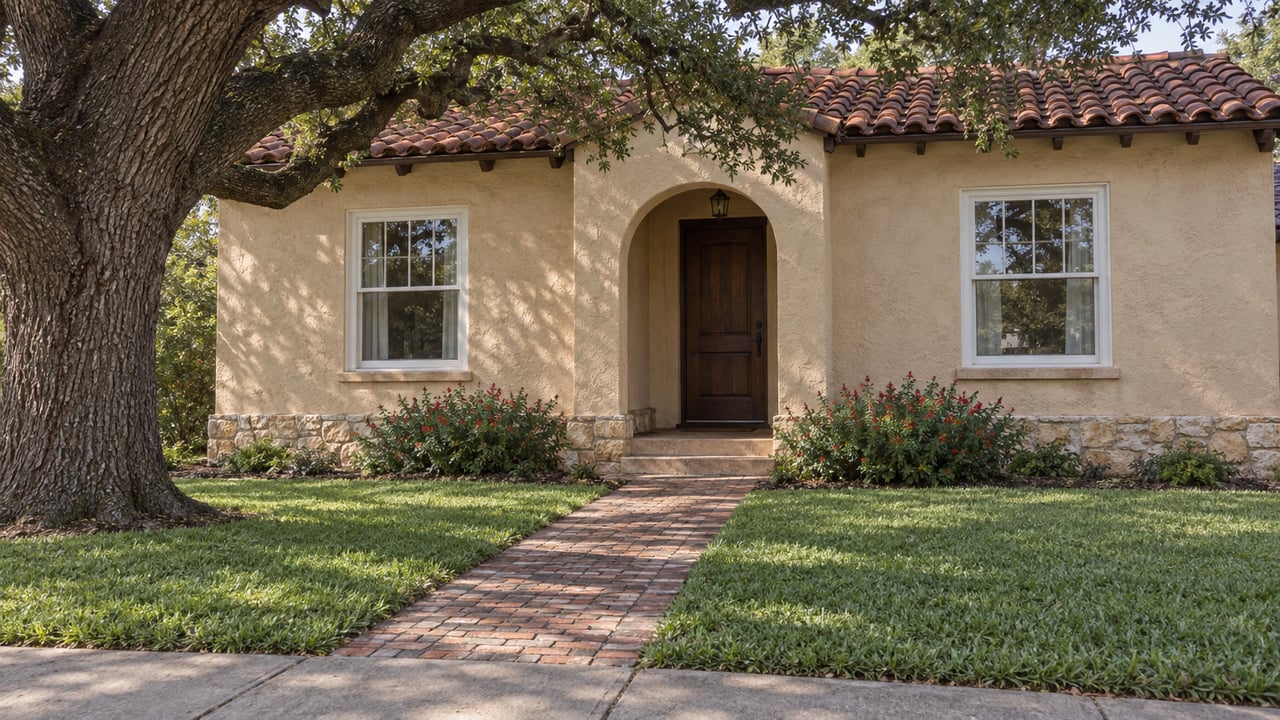
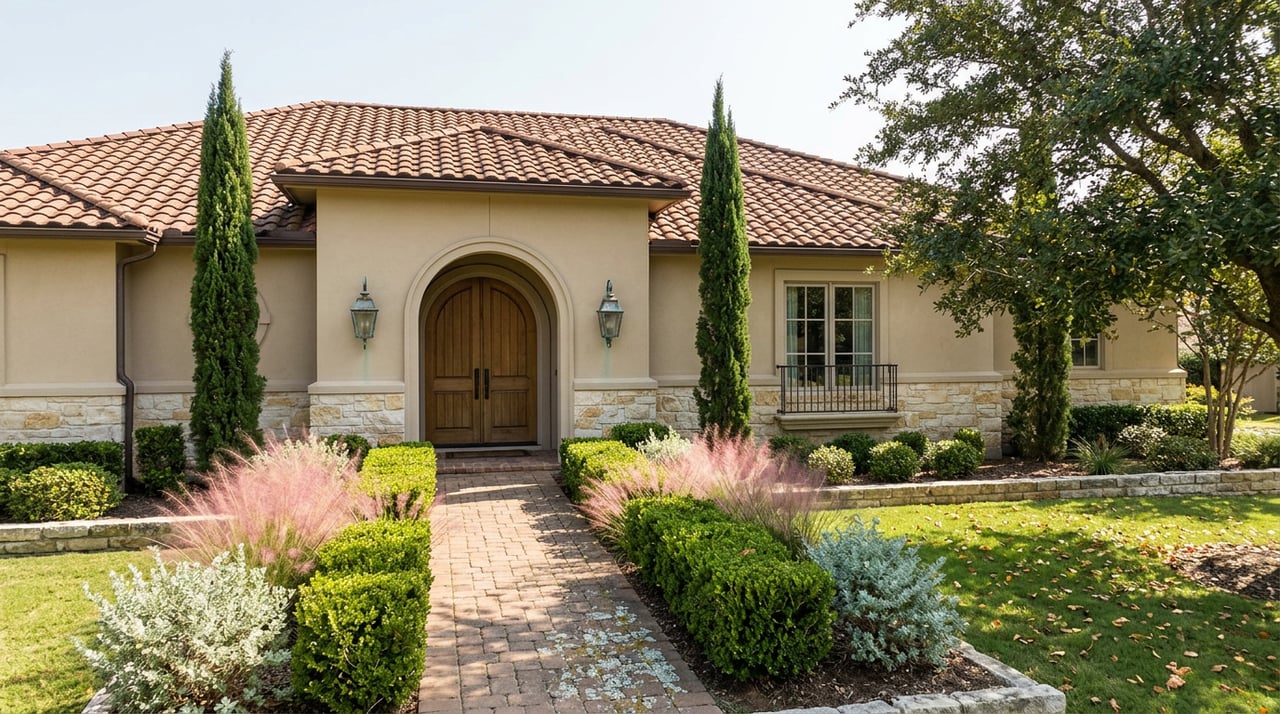
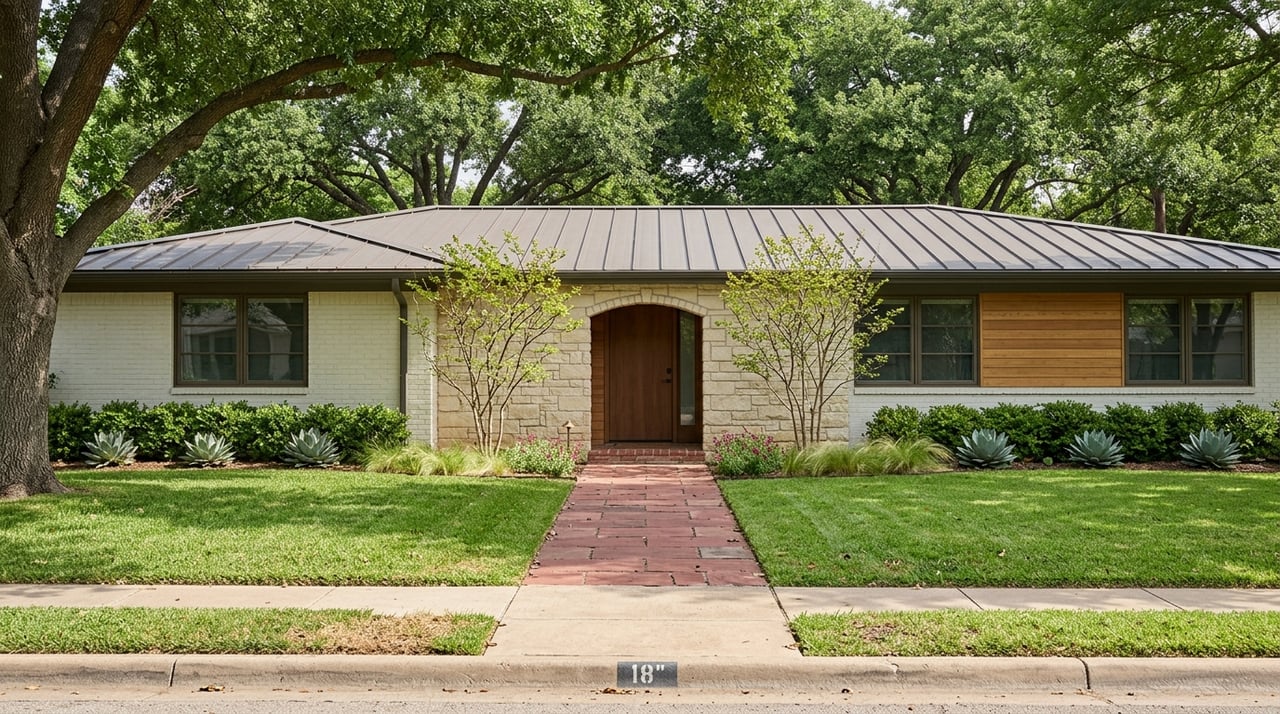
If you love homes with personality, Travis Heights gives you a lot to look at. The Travis Heights-Fairview Park Historic District describes the area as architecturally eclectic across more than 100 years, from late-1880s Victorian homes to 1970s mid-century modern properties.
The National Register nomination for the district notes that historic domestic resources date from the late 1870s through 1971. The style mix is led by Tudor Revival, with Colonial Revival and Spanish Revival also playing a major role. You can also find smaller numbers of Mission Revival, Moorish Revival, French Eclectic, and Italian Renaissance examples.
Why the Streetscape Feels Distinct
Because the neighborhood developed across many decades, Travis Heights does not read as one-note. You may see one home with steep rooflines and old-world detailing, followed by another with a simpler mid-century profile, then another tucked into a hillside lot under mature trees.
For buyers, that means the housing stock tends to reward people who value individuality over sameness. If you prefer a neighborhood where homes feel collected over time rather than repeated block by block, Travis Heights often checks that box.
Historic Recognition Matters
Travis Heights-Fairview Park was listed on the National Register of Historic Places on July 30, 2021. The neighborhood organization describes it as Austin’s first local and national historic districts south of the river.
That recognition adds context to what you see on the ground. It reflects a long-standing effort to preserve the neighborhood’s built character and helps explain why architecture and local identity remain such a visible part of daily life here.
Parks and Green Space in Travis Heights
A Cluster of Neighborhood Parks
Travis Heights does not rely on one single signature park. Instead, it has a connected collection of smaller green spaces that shape the neighborhood experience. Big Stacy Neighborhood Park is 4.459 acres, Little Stacy Neighborhood Park is 6.7793 acres, and Blunn Creek Greenbelt is 13.3981 acres.
That setup gives the area a greener, more woven-in feel than many central neighborhoods. Rather than separating park life from residential life, Travis Heights blends them together through the creek corridor and the parks around it.
Why Little Stacy Park Stands Out
Little Stacy is one of the neighborhood’s best-known gathering spots. The City of Austin says the park sits in a horseshoe bend of Blunn Creek and includes a 1930s shelter house, a wading pool, tennis courts, a volleyball court, a half-court basketball court, a playground, and picnic areas.
It is the kind of park that supports everyday use, not just occasional visits. Whether you are taking a walk, meeting friends, or spending time outdoors close to home, Little Stacy plays a central role in the neighborhood rhythm.
Big Stacy and the Creek Corridor
Little Stacy sits at the northern end of the Blunn Creek Greenbelt, which connects to Big Stacy Park and Pool at the southern end. Blunn Creek flows through the center of both parks before emptying into Lady Bird Lake.
This green corridor helps give Travis Heights its wooded feel. The city notes that the Big Stacy and Blunn Creek grow zone protects more than 4,500 feet of creek and 9.6 acres of land, while restoration work includes no-mow buffers and native plantings.
Mature Trees and a Softer Landscape
Much of the greenbelt still includes mature sycamore and live oak trees. That tree cover matters because it shapes how the neighborhood feels from the street level.
In practical terms, Travis Heights often feels more shaded, layered, and topographically interesting than other close-in parts of Austin. If your ideal neighborhood includes creekside green space and visible natural features, this is one of the area’s strongest selling points.
Culture and Everyday Lifestyle
Close to South Congress
One reason Travis Heights gets so much attention is its position near South Congress. Austin’s Economic Development office describes South Congress as an iconic district south of Lady Bird Lake known for shopping, dining, and people-watching.
That nearby access adds a lot to day-to-day living. You can be close to a major commercial corridor while still living on residential streets that feel calmer and more tucked away.
A Walkable, Urban-Adjacent Feel
For many buyers, Travis Heights hits a useful middle ground. It offers access to central Austin activity, but the neighborhood itself still reads as residential, historic, and green.
That combination tends to appeal if you want a lifestyle that feels connected without feeling overly commercial. You are near restaurants, shops, and city energy, but the immediate setting often feels quieter and more personal.
A Strong Arts Identity
Travis Heights also has a clear cultural identity tied to local artists and neighborhood traditions. Visit Austin describes the Travis Heights Art Trail as a free, walkable art tour through the historic neighborhood and notes that it is Austin’s longest-running artist and studio tour, created by and for Travis Heights artists.
That says a lot about the area. The arts presence is not just added on from the outside. It is something residents have built and maintained over time, which contributes to the neighborhood’s sense of authenticity.
Preservation as Part of Community Life
Community identity here also shows up through preservation work. Residents worked for more than 15 years toward National Register and local historic district recognition.
That long effort points to an engaged resident base and a neighborhood that values its history. If you are drawn to places with a strong sense of stewardship and continuity, Travis Heights offers that in a visible way.
Who Travis Heights Often Fits Best
Travis Heights tends to appeal to buyers who care about character, centrality, and green space more than a highly uniform housing product. The neighborhood’s older homes, hillside lots, creekside parks, and access to South Congress make it especially attractive if you want location and personality in the same place.
It can be a strong fit for relocating buyers, owner-occupants, and repeat buyers who prefer a distinct sense of place. Instead of offering a predictable new-build environment, Travis Heights offers an architecturally mixed residential setting with a close-in Austin lifestyle.
What to Notice When Touring Travis Heights
If you are considering the neighborhood, try to look beyond the front door of any one property. Travis Heights is a place where the surrounding blocks, tree cover, slope, street pattern, and park access all shape the ownership experience.
Here are a few smart things to pay attention to when you tour the area:
- How close the home feels to Little Stacy, Big Stacy, or the Blunn Creek Greenbelt
- Whether the lot is flat, sloped, or irregular in a way that changes usability
- How the architecture fits into the surrounding streetscape
- The balance between residential quiet and access to South Congress
- The amount of tree cover and how it affects privacy, shade, and views
For many buyers, Travis Heights is less about finding a cookie-cutter house and more about finding the right combination of home, setting, and neighborhood feel.
If you want help figuring out whether Travis Heights matches your goals, working with a local advisor can make the process much easier. David Aceves and Ace Team ATX help buyers, sellers, and relocating clients make sense of Austin’s central neighborhoods with clear guidance, local insight, and personalized support.
FAQs
What types of homes are common in Travis Heights?
- Travis Heights is known for an eclectic mix of historic single-family homes, including Victorian, Tudor Revival, Colonial Revival, Spanish Revival, and some mid-century modern properties.
How much park space does Travis Heights have?
- The neighborhood includes Big Stacy Neighborhood Park, Little Stacy Neighborhood Park, and the Blunn Creek Greenbelt, creating a connected network of parks and creekside green space.
What makes Little Stacy Park important in Travis Heights?
- Little Stacy Park is a central neighborhood gathering space with a shelter house, wading pool, courts, playground, and picnic areas in a horseshoe bend of Blunn Creek.
Is Travis Heights close to South Congress in Austin?
- Yes. Travis Heights sits near the South Congress corridor, which is known for shopping, dining, and an active street scene.
Does Travis Heights have a strong community identity?
- Yes. The neighborhood has a long history of preservation work and hosts the Travis Heights Art Trail, a resident-driven and walkable local arts tradition.