If you picture Austin living as a mix of morning coffee, trail time, and easy access to the city’s core, Zilker probably comes to mind. For many buyers, the appeal is not just the location, but the way daily routines can naturally revolve around parks, patios, and short trips around town. If you are wondering what it actually feels like to live here, this guide will walk you through the neighborhood’s pace, housing mix, and everyday tradeoffs. Let’s dive in.
Zilker Life Centers on the Park
Daily life in Zilker is closely tied to Zilker Metropolitan Park. The City of Austin describes it as a 351-acre park with major amenities that include Barton Springs Pool, Zilker Botanical Garden, the Austin Nature and Science Center, Zilker Clubhouse, McBeth Recreation Center, the Butler Hike and Bike Trail, and Barton Creek Trail. It also hosts major annual events like Austin City Limits Festival, Trail of Lights, and the ABC Kite Festival.
That park access shapes how many people use their time close to home. Instead of driving across town for outdoor space, you may find that a walk, bike ride, or quick stop at the springs becomes part of your normal week. In practical terms, Zilker often feels like a central Austin neighborhood with an outdoor lifestyle built right into it.
Barton Springs Adds a Year-Round Routine
One of the biggest draws is Barton Springs Pool. According to the city, the pool spans three acres, is spring-fed, averages 68 to 70 degrees, and is open every day except Thursday, when it closes for cleaning. That kind of consistency gives the neighborhood a rare year-round outdoor anchor.
For residents, that can mean early swims, weekend meetups, or an easy reset after work. The city also notes that weekday parking is free, while weekend and holiday parking during peak season is paid. That detail matters because even small routines in Zilker are shaped by timing, especially during busier months.
Big Events Are Part of the Experience
Living near one of Austin’s best-known public spaces comes with clear benefits, but it also means sharing it with the rest of the city. Zilker Park hosts some of Austin’s largest events, and those event days can change the feel of nearby streets fast. If you live here, you are not just near the action. At times, you are inside it.
The city’s Zilker planning FAQ also makes clear that parking and traffic remain major issues in the area. Long term, the city points toward more use of transit, biking, walking, and shuttles. So while park access is a huge lifestyle advantage, it is smart to expect some congestion on summer weekends and during major festivals.
Food and Coffee Are Part of the Routine
Zilker does not rely on one single main street experience. Instead, restaurants, coffee shops, and casual local spots cluster along corridors like South Lamar and Barton Springs Road. That creates a neighborhood feel where grabbing breakfast, coffee, tacos, or dinner often fits naturally into your route rather than requiring a separate trip.
The Infatuation’s 2025 Zilker guide highlights a mix of coffee, breakfast trailers, tacos, bars, ramen, and patio restaurants. It specifically frames Biscuits + Groovy as a breakfast and lunch stop that pairs well with a morning at Barton Springs. That detail says a lot about the area’s rhythm: food and outdoor time often go together.
Morning Stops Feel Built In
Proud Mary Cafe at 2043 South Lamar Boulevard is open daily from 7 a.m. to 4 p.m. and serves breakfast, lunch, pastries, table service, and specialty coffee. For many buyers, that kind of nearby all-day café adds to the appeal of living in central Austin. It supports a lifestyle where you can start the day locally without a lot of planning.
Longtime Austin institutions also add to the area’s identity. Matt’s El Rancho on South Lamar says it has served Austin since 1952 and welcomes more than 500 guests daily. That mix of established restaurants and newer neighborhood favorites gives Zilker a lived-in feel that many buyers are looking for.
Getting Around Works Best for Short Trips
One reason Zilker appeals to both local and relocating buyers is its central position. At the ZIP code level, 78746 shows a mean commute to work of 20.1 minutes, compared with 27.3 minutes for the broader Austin metro, according to Census Reporter. While that figure is ZIP-level context rather than Zilker-only data, it still supports the broader idea that this part of town is well placed for shorter central commutes.
For everyday life, that often means your trips stay compact. Downtown, nearby retail areas, and central Austin destinations can feel more accessible from Zilker than from many outer neighborhoods. If your goal is to stay closer to the core of the city, this location can make that easier.
Biking and Transit Support Daily Errands
CapMetro Bikeshare has active stations at Zilker Park, Barton Springs Pool, Barton Springs and Azie Morton, Barton Springs and Kinney, and South Congress and Barton Springs. CapMetro says the system is designed for short trips and transit connections. That lines up well with the way many people move around this part of Austin.
CapMetro’s September 2025 bikeshare expansion plan also ranked Zilker to Downtown seventh among neighborhood trip pairs, with 16,498 trips. That points to a real, everyday connection between the neighborhood and downtown by bike. Barton Springs Pool is also reachable by CapMetro bus route 30, which adds another practical option for getting around without always relying on a car.
Traffic Still Matters on Busy Days
Even with those options, it is important to be realistic. The city’s own planning materials show that the area still faces major parking and traffic issues. On regular weekdays, Zilker can be convenient for short central trips, but on event days and busy summer weekends, nearby roads can feel much heavier.
That does not cancel out the lifestyle appeal. It simply means that part of living here is learning the local rhythm. Buyers who value walkability, biking, and central access often see that tradeoff as worth it.
Housing Feels Established and Premium
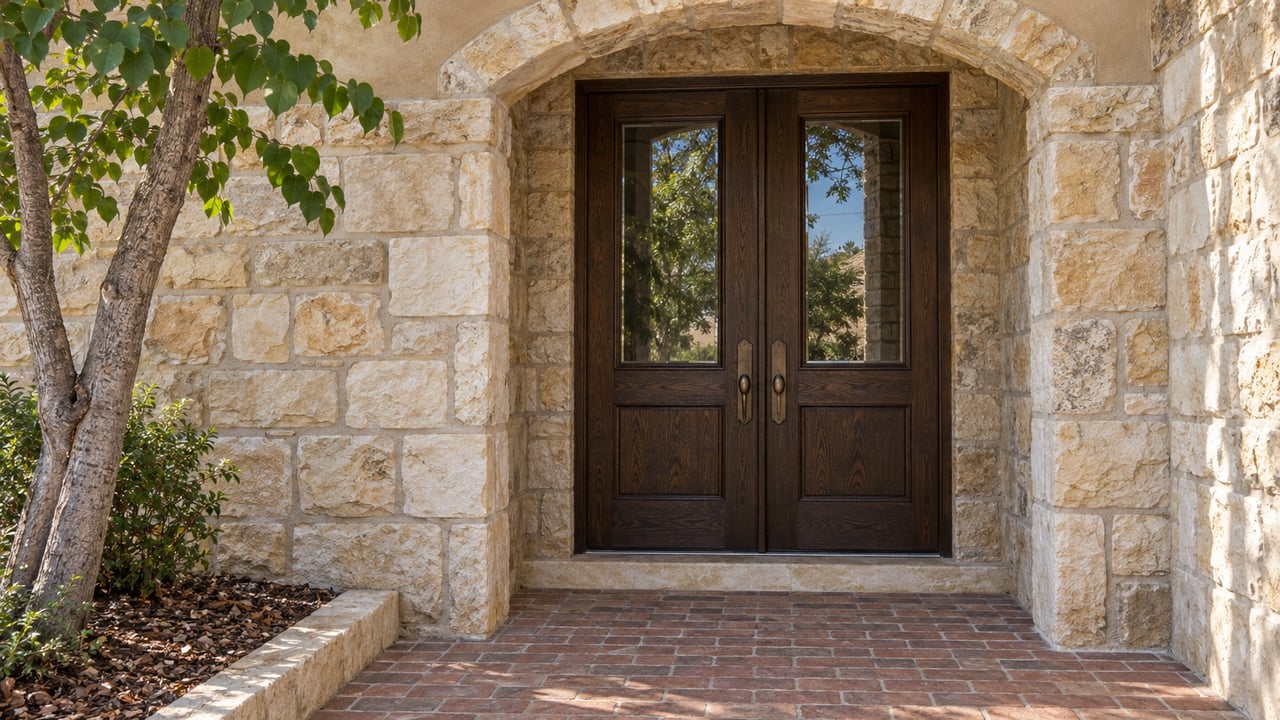
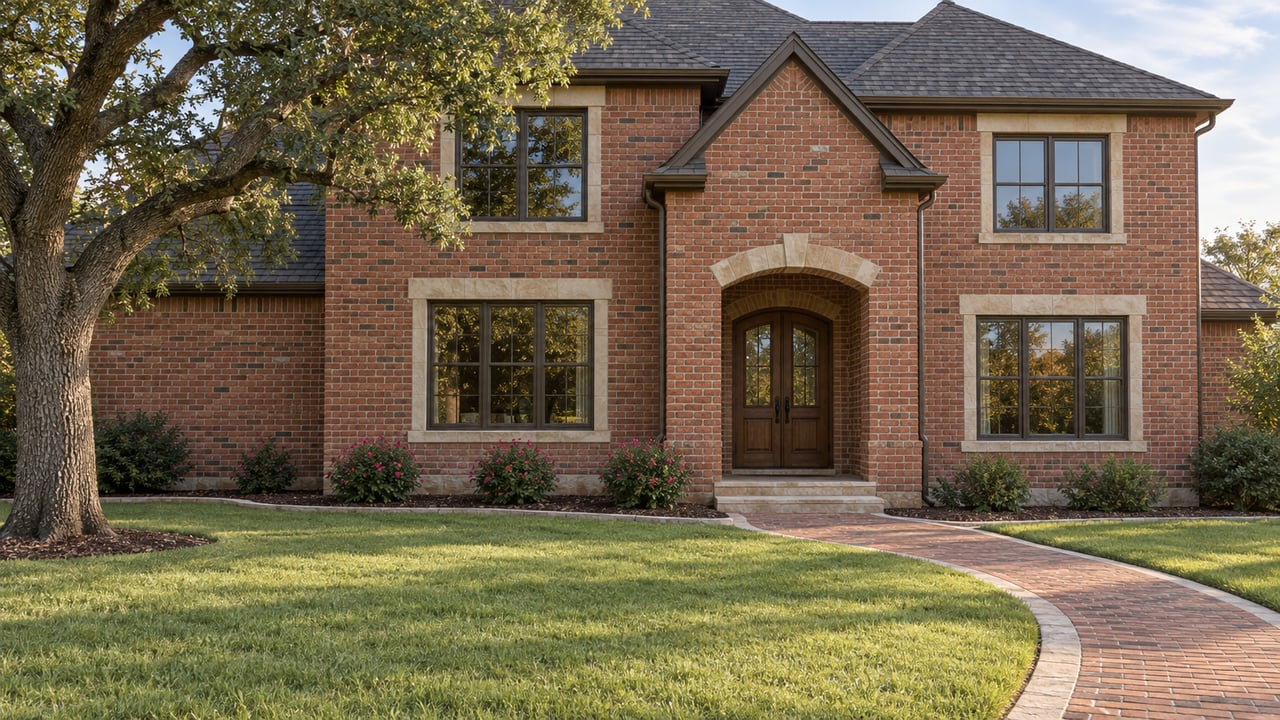
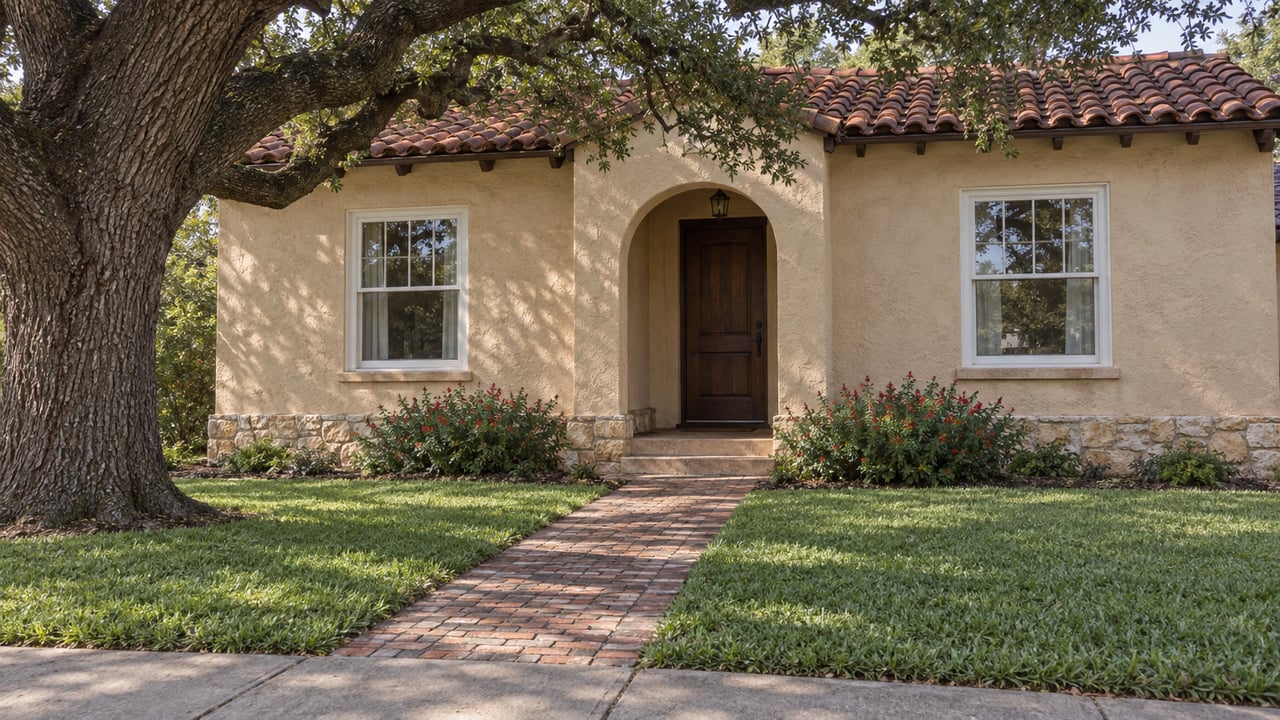
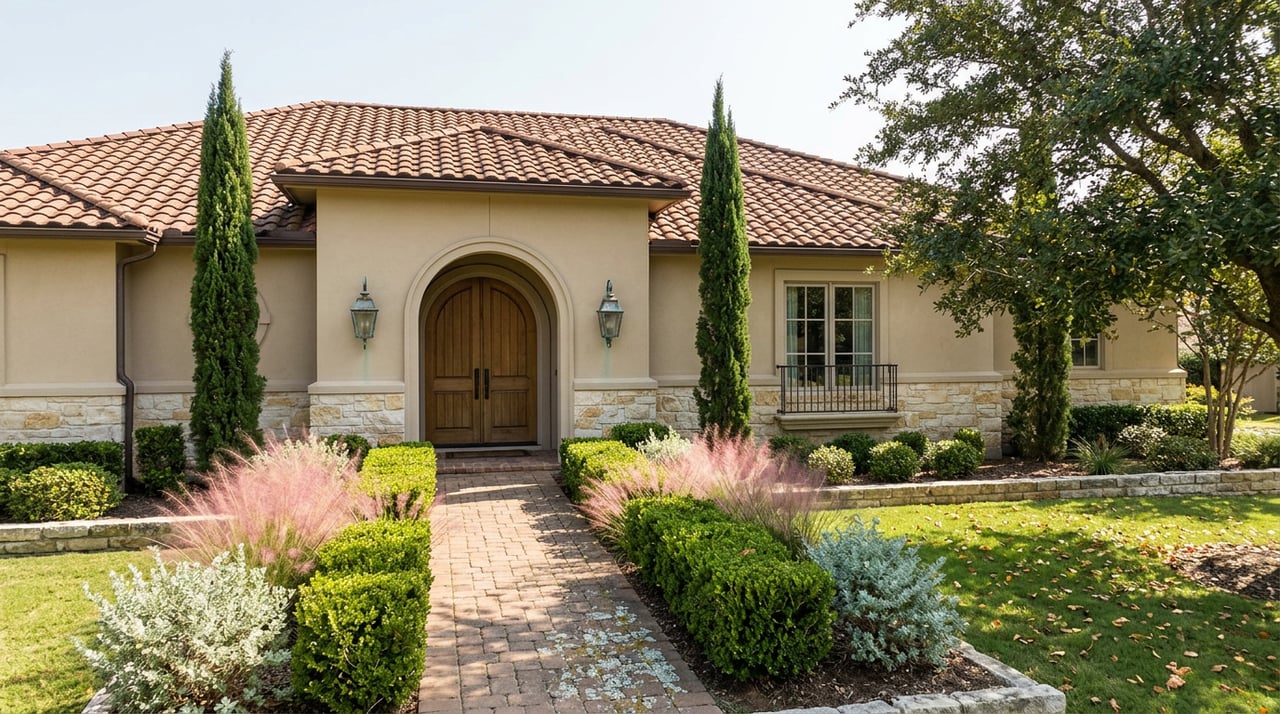
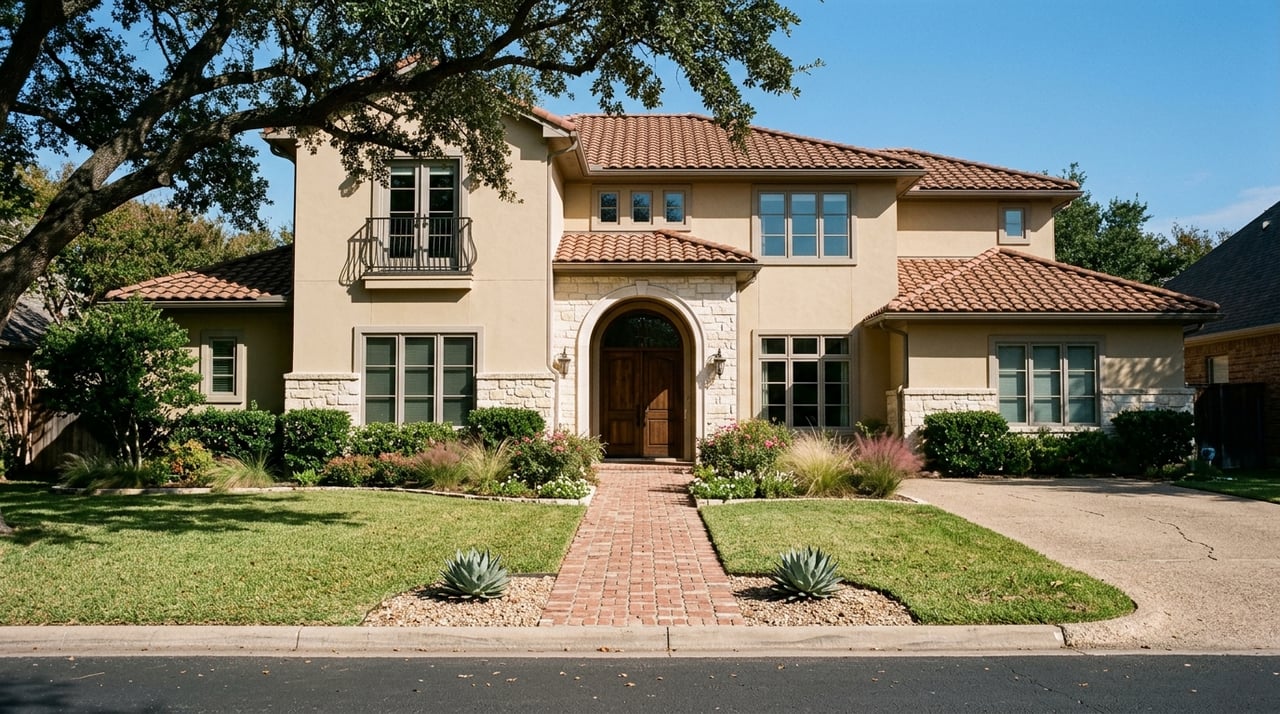
Zilker’s housing stock reflects the neighborhood’s long history and ongoing evolution. A neighborhood history document notes that older homes include cottage and bungalow styles, while small ranch homes and modern styles became more common after the mid-1900s. In other words, the area does not feel uniform, and that variety is part of its character.
You may see original homes, updated properties, and selective infill living side by side. For buyers, that can create more architectural variety than you might find in a newer master-planned area. It also means each block can feel a little different.
Condos and Attached Homes Add Options
Single-family homes are not the only path into the area. Condo and attached-home options also exist nearby. Barton Place Condos, for example, describes itself as adjacent to Zilker Park, the Hike and Bike Trail, Lady Bird Lake, and Barton Springs Pool, which reinforces the area’s amenity-rich, all-day feel.
That matters if you want central Austin access but prefer a lower-maintenance property type. Buyers who prioritize location and lifestyle may find that attached options offer a different entry point into the neighborhood experience.
Pricing Reflects the Location
The broader 78746 ZIP profile shows a median value of owner-occupied housing units of $1,494,300 and median household income of $188,414, according to Census Reporter. These figures are not Zilker-only, but they do reinforce the premium nature of the surrounding market context. For most buyers, Zilker is not an entry-level price point.
That premium is tied to a few clear factors: central access, strong outdoor amenities, established housing stock, and long-term neighborhood demand. If you are considering the area, it helps to go in with a clear sense of budget, property priorities, and how much value you place on lifestyle convenience.
Who Zilker Often Fits Best
Zilker tends to appeal to buyers who want to be close to central Austin while keeping outdoor access within daily reach. If you like the idea of mornings that start with coffee, a trail, or a swim, the neighborhood supports that well. It can also work for relocating buyers who want a recognizable Austin lifestyle with strong access to nearby destinations.
The tradeoff is that convenience and character come at a premium, and event-related congestion is part of the package. For some people, that is a dealbreaker. For others, it is simply the cost of living near one of the city’s most active and best-loved public spaces.
What to Consider Before You Buy
Before choosing Zilker, it helps to think beyond the map pin. Ask yourself how often you would use the park, trails, and nearby dining in real life, not just in theory. The more those amenities match your habits, the more the neighborhood’s value tends to show up in everyday life.
It is also worth thinking about how you handle traffic, event crowds, and parking patterns. Some buyers love being near major Austin events, while others would rather keep more distance. A neighborhood tour at different times of day and on both regular and busy weekends can give you a clearer picture of what living here would actually feel like.
If you are weighing Zilker against Barton Hills, Travis Heights, or another central Austin neighborhood, a side-by-side comparison can help you sort out which lifestyle fit matters most. That is often where local guidance makes the biggest difference.
If you want help figuring out whether Zilker matches your goals, David Aceves can help you compare homes, condos, and nearby neighborhoods with a local, relationship-first approach.
FAQs
What is daily life like in Austin’s Zilker neighborhood?
- Daily life in Zilker often centers on Zilker Park, Barton Springs Pool, nearby trails, and local food and coffee spots along South Lamar and Barton Springs Road.
How walkable and bike-friendly is Zilker in Austin?
- Zilker works well for short trips, and CapMetro Bikeshare has several active stations nearby, including stations at Zilker Park and Barton Springs Pool.
What housing types are common in Zilker?
- Zilker includes older cottages and bungalows, small ranch homes, newer modern homes, and some condo or attached-home options nearby.
Is Zilker expensive compared with other Austin areas?
- The broader 78746 ZIP-level data points to a premium market context, so buyers should generally expect higher price points tied to central location and major outdoor amenities.
What are the downsides of living near Zilker Park?
- The main tradeoffs are event-related congestion, busy summer weekends, and ongoing parking and traffic challenges around the park area.